Solo Florence: why it feels easy (and when it doesn’t)
I realized Florence was “easy” about ten minutes after dragging my suitcase over uneven stones: everything I cared about was basically walkable, and the city reads clearly even when you’re alone—big landmarks, straightforward streets, and a rhythm that doesn’t demand constant transit planning. It’s also a place where you can dip in and out of culture without committing to a rigid schedule, which is ideal for a 3–5 day solo trip.
Where it stops feeling effortless is timing. If you show up to the Uffizi or the Duomo complex mid-morning without a reservation, you’re not just risking a line—you’re sacrificing half a day you could’ve spent wandering quieter neighborhoods or taking a long lunch. Florence rewards a loose plan, but only after you lock in two or three “anchors” (typically Uffizi/Accademia and a Dome time slot) and then let the rest breathe.
The other friction points are physical and social: heat builds fast in summer, cobblestones punish flimsy shoes, and dinner can feel long if you choose the wrong place. Counterintuitively, sitting at a bar-style counter works better than forcing a full table-service meal when you’re tired.
Where to stay: safest areas and social bases
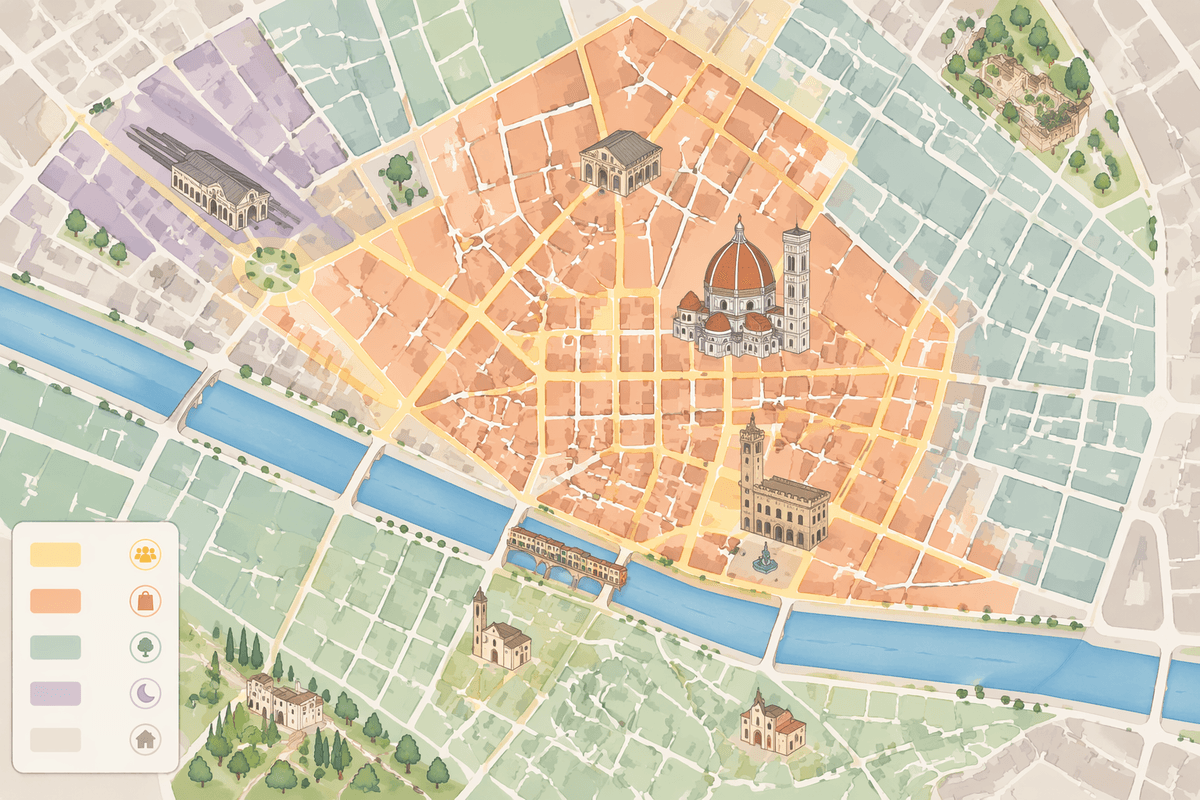
I hesitated over one very practical question: do I want to stumble home fast after dinner, or do I want a quieter night even if it means a longer walk back. For most solo travelers on a mid-range budget, staying inside (or just at the edges of) the historic center is the least mentally taxing choice—fewer transit decisions, easier “I’ll just pop out” museum mornings, and you’re rarely alone on the streets until fairly late. The constraint is noise: if your window faces a busy lane near the Duomo or Piazza della Signoria, the city’s late-night energy can turn into a sleep tax.
If you want an easy social base without committing to nightlife, Santa Maria Novella and San Lorenzo tend to work well: you’re close to the station for day trips and you can join a food tour or small group walk without a long commute. It’s not the prettiest pocket of Florence, and near the station you’ll notice more petty-scam vibes (especially around luggage), but it’s efficient.
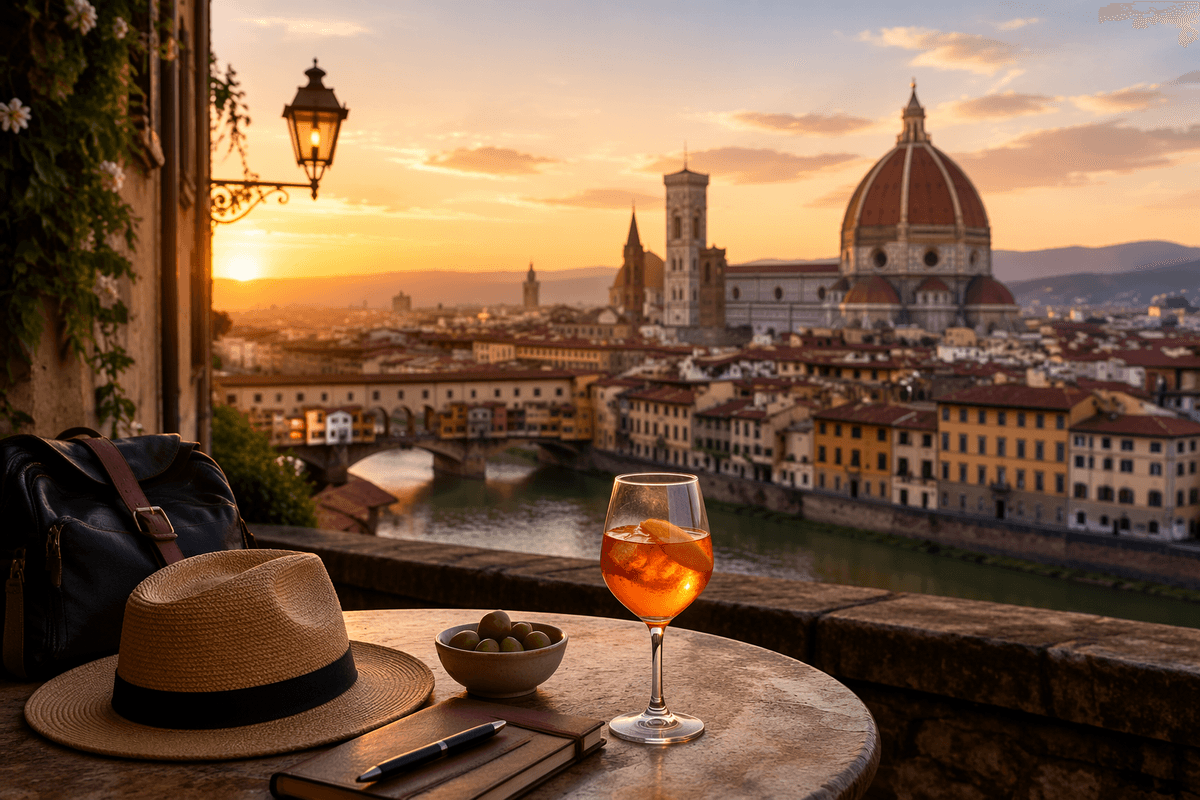
When I wanted calmer evenings, I looked across the river: Oltrarno feels more local and restaurant-forward, and the walk back over the bridges is simple—until you’re carrying bags or you’ve booked something uphill. If you’re the type who likes to reset between outings, that extra distance is worth it; if you hate “one more 20-minute walk,” stay central and pay for better windows instead.
Getting around smoothly: airports, trains, walking, buses
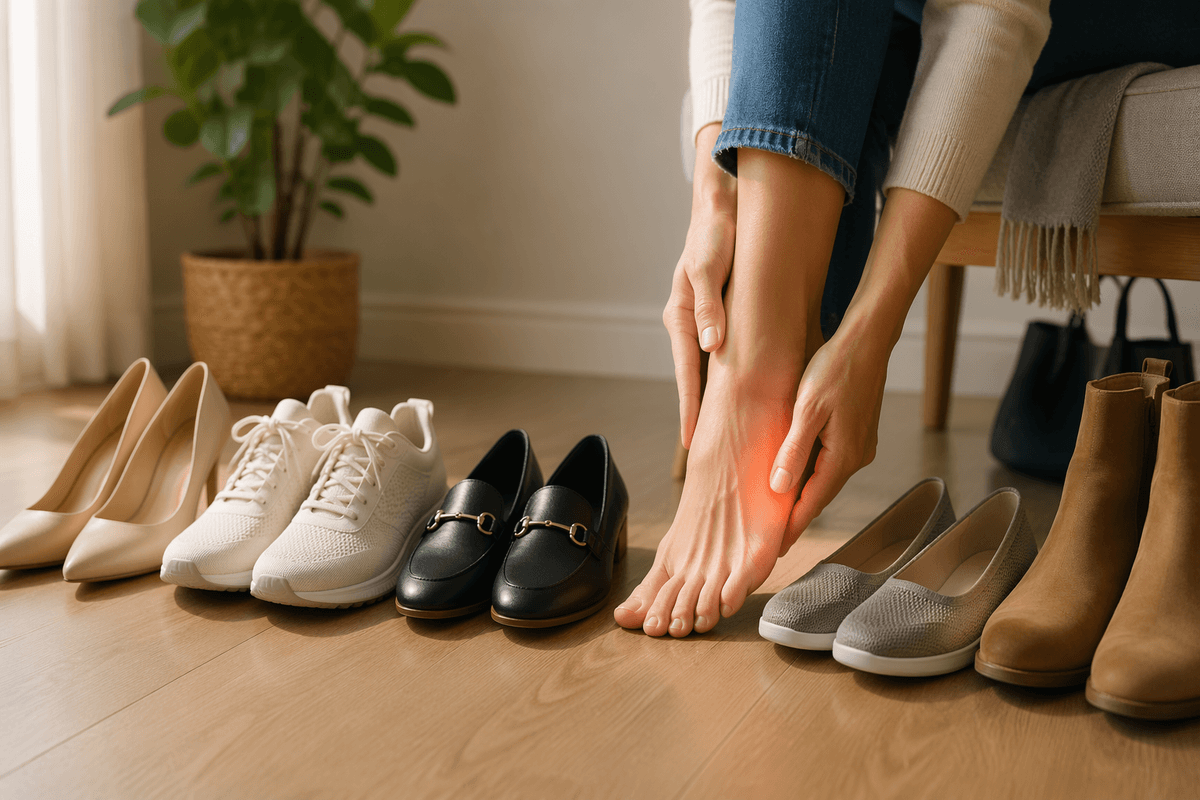
I almost over-planned the logistics, then remembered Florence punishes overthinking more than it rewards it: if you can carry your bag over cobblestones, you can mostly ignore transit once you’re in the center. Walking is the default, but it only feels “effortless” if you choose shoes you’d actually wear for 20,000 steps and accept that Google’s fastest route can be the most ankle-hostile route.
Arriving by train is the cleanest entry point—Santa Maria Novella drops you right at the edge of the action—though the station area can feel a bit grabby with luggage, so I keep my phone away and don’t stop for unsolicited “help.” If you’re flying, the airport connection is straightforward, but the friction is timing: a cheap early flight can buy you an extra afternoon, yet it also dumps you into Florence before cafés and check-in are ready, which is when solo travel feels its least convenient.
Buses work when your feet don’t, but they’re not a sightseeing experience; I used them as a backup for heat, tired evenings, or when I’d misjudged distance across the river. The moment it starts taking longer to wait than to walk, I switch back to walking and save the bus for the one time it truly matters: getting home without turning “one last aperitivo” into a slog.
Solo-friendly sights: timed tickets, best hours, pacing
The first morning I tried to “just see how the lines look,” I watched my loose plan evaporate in real time—Florence is compact, but the big-ticket sights don’t behave like a casual pop-in. For a 3–5 day solo trip, I’d only hard-book two anchors: the Uffizi and either the Accademia (if David is non-negotiable) or a Duomo time slot. That’s usually enough structure to protect your prime hours, without turning the trip into a spreadsheet. The constraint is cost and commitment: timed entries add fees and lock you into a specific hour, so don’t stack them back-to-back unless you enjoy sprinting.
In practice, the best hours are less about “early vs late” and more about heat and bottlenecks. I liked museums in the first slot of the day (you’re sharper, rooms feel calmer), then I treated midday as flexible street time: shaded churches, a long lunch, or simply going back to reset if you’re staying nearby. Climbing-heavy sights are where solo pacing matters most—if you push the Dome plus a major museum on the same day, the culture-to-fatigue ratio flips fast, and you’ll end up skipping the thing you were most excited about.
Eating alone and meeting people without pressure
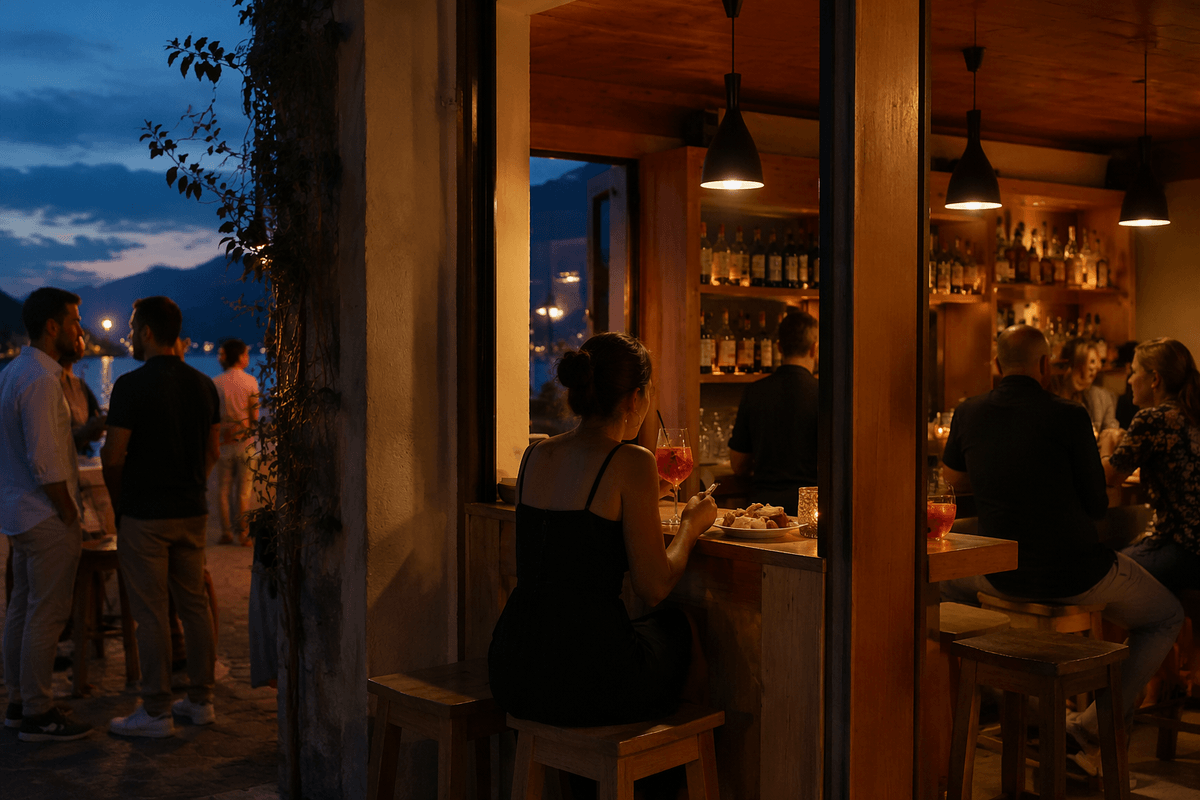
The first night I almost defaulted to a “proper” sit-down trattoria, then realized that two hours of table service can feel longer when you’re solo and already footsore. What worked better was choosing places with a counter or bar seating—enotecas, aperitivo spots, even some casual pasta joints—because you can eat well without committing to a full evening. The limitation is availability: counter seats are prime real estate, so showing up right at peak dinner time (around 8:00–9:00) can mean hovering awkwardly or settling for somewhere that’s efficient but forgettable.
If you want low-effort social contact without the intensity of “making friends,” I found food tours and small-group tastings to be the sweet spot: you get a built-in conversation starter and a defined end time, which keeps it from eating your whole night. Hostel bars can work even if you’re not staying there, but they skew younger and louder, so it’s only worth it if you actually want that energy. On regular nights, I’d aim for an early aperitivo, then dinner slightly earlier than Italians eat; it’s calmer, and you’re walking home before the streets thin out.
Staying safe and savvy: scams, nightlife, solo habits
I noticed the only times Florence made me feel less “easy” were the moments I stopped moving—standing with my phone out near the station, hesitating at an ATM, or looking lost outside a major sight. The common scams here are boring, not cinematic: distraction pickpocketing in crowded lanes, someone offering “help” with tickets or directions, and the occasional friendly approach that turns into a request for money. My rule is simple: if I need to check something, I step into a doorway or shop first; if someone insists on helping, I decline once and keep walking. It’s not paranoia—just reducing the number of seconds you look like a target.
Nightlife felt safest when I treated it like a series of small decisions rather than one big “going out.” I’d pick one area for the evening (so I’m not crossing the city at 1:00 a.m.), keep my route home obvious, and cap drinking at the point where my navigation skills stay sharp. The limitation is that Florence’s most atmospheric streets are also the narrowest and most crowded; late at night, that crowd cover disappears fast. If you want a lively but lower-effort scene, aperitivo hours give you the buzz without the midnight logistics.
Solo habits that paid off: carry less (crossbody over backpack in crowds), split cash/cards, and screenshot key reservations so you’re not fumbling with email in public when service drops.
Leaving Florence: what you’ll remember and what to skip
On my last morning, I stood in Santa Maria Novella with that familiar solo-travel math: one more museum room, or an unhurried coffee and a clean exit. What I actually remembered later wasn’t the extra checklist item—it was how simple Florence felt when I stopped trying to “use” every hour. If your train is midday, give yourself a buffer: the walk looks short on a map, but cobblestones plus a bag turns “ten minutes” into a sweaty scramble.
If you’re deciding what to skip, skip the stuff that forces peak-hour friction for a mediocre payoff: the random “famous” sandwich queue when you’re hungry now, the second-tier museum you chose out of guilt, the late-night cross-city dinner just because it’s highly rated. Spend that time on one last slow loop—river, a quieter church, a final aperitivo—then leave before fatigue turns the departure into an endurance event.