Dry hands often mean your skin barrier is strained
The first sign is often subtle: you rinse, dry, and within minutes your hands feel tight—like the skin shrank a size. Later, the backs of your hands look a little dull or ashy, and the knuckles start catching on fabric. It can be confusing because your hands may not look “that dry” yet, but they already feel less comfortable.
That sensation usually shows up when the skin barrier is getting strained. Washing and sanitizing don’t just remove germs; they also lift away some of the oils and fats that help your outer skin layer hold water and stay flexible. When that layer is thinned out, water escapes faster between washes, and everyday friction (paper towels, gloves, even pockets) can feel harsher than it should.
Once that pattern starts, small triggers hit harder. Hot water may sting, alcohol gel can burn a little, and tiny cracks at the knuckles seem to appear “out of nowhere.” It’s not always one dramatic cause—more often it’s the repeated wet-dry cycle quietly pushing your hands into a drier baseline.
Frequent washing and sanitizer can backfire unexpectedly
It often clicks when you do a “normal” handwash and the tightness shows up before you’ve even left the sink. Then you use sanitizer on the way out the door and there’s a quick sting—almost like you found a paper cut you didn’t know you had. Nothing about the routine changed, but your hands start acting like they’re on a shorter fuse.
Frequent washing can backfire because each cycle is a reset: water swells the outer layer, soap loosens oils, and drying pulls moisture away fast. Alcohol gels evaporate quickly, which can leave that same outer layer feeling even more depleted. When this happens over and over—especially in dry indoor air—your skin can lose water between washes faster than it can rebuild its “grip” on moisture, so the next wash feels harsher than the last.
People often assume the answer is simply “stronger” cleansing, but the pattern is usually about timing and exposure. Hot water, extra-long lathering, and paper-towel scrubbing can add friction on top of the stripping effect. Over days, that’s when you might notice flaking that keeps returning by afternoon, or cracking that concentrates at knuckles and fingertips where movement constantly re-opens the dry spots.
Household and work irritants quietly add up daily
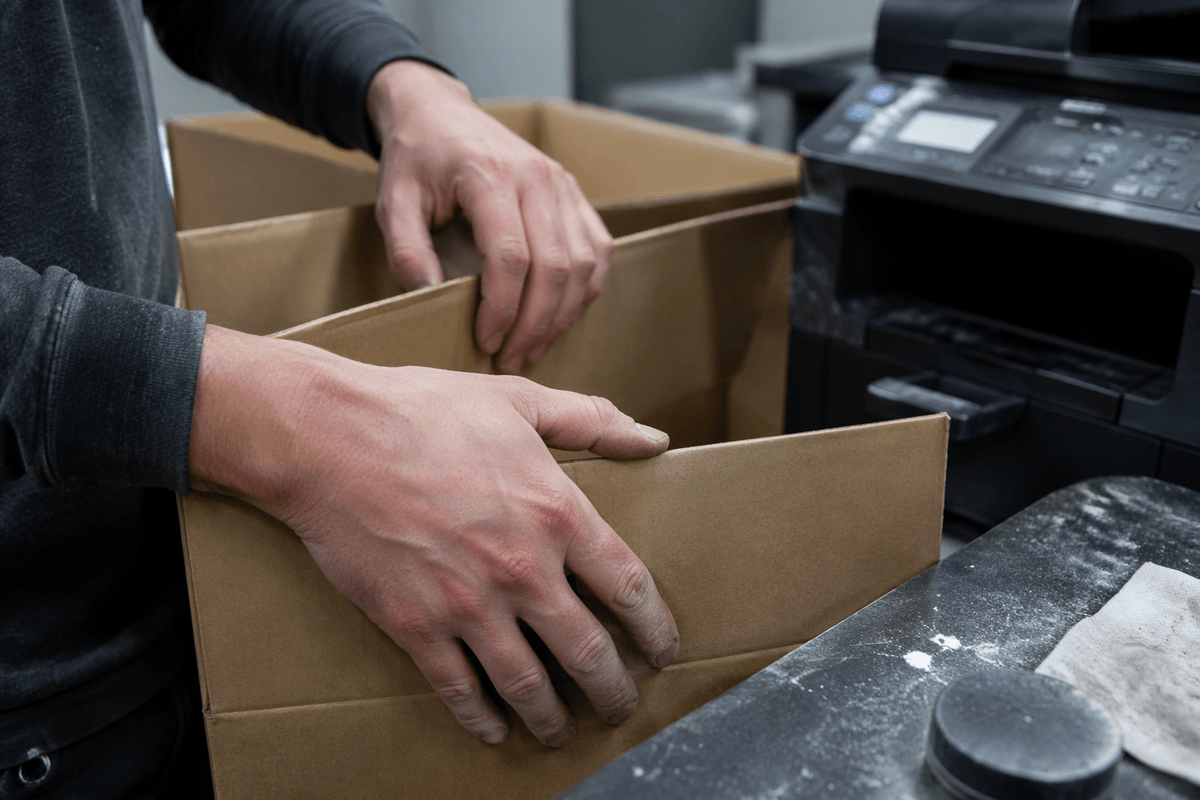
You might notice it when you’re not even “washing your hands”—you’re wiping a counter, unloading dishes, pulling warm laundry from the dryer, or sorting boxes at work. Half an hour later, the backs of your hands feel papery, and the skin around your nails looks a little rougher than it did that morning. It’s easy to blame the last soap you used, but the irritation often sneaks in through all the in-between contact.
Household and workplace products tend to leave a thin film behind: dish detergents, surface sprays, degreasers, hair products, even printer toner or powdered cleaners in breakrooms. Many of these are designed to break up oils or dissolve residue, so they can also disturb the skin’s own oils when they sit on your hands, especially if you rinse quickly and move on. Add in friction—gripping mops, cardboard, tools, exam gloves—and the outer layer can feel “overworked,” so small exposures start to stack instead of fading.
One day seems fine, and the next day a normal sanitizer suddenly stings, because your baseline is already lower from all the small contact points you didn’t register. When the dryness keeps concentrating at knuckles, fingertips, and nail folds, it’s often less about one big trigger and more about the quiet accumulation of daily irritants.
Weather, indoor air, and water change your baseline
You step outside and the air feels crisp, but it’s your hands that notice first—tight across the knuckles, almost “squeaky” when you rub your fingers together. Then you go back indoors and it doesn’t immediately improve. You haven’t changed soaps, yet your skin suddenly behaves like it can’t hold onto moisture for long.
Cold weather and heated indoor air tend to be drier, so water escapes from already-strained skin faster between washes. Each wet-dry cycle then starts from a lower baseline, which is why flaking can show up by midday even after a decent morning routine. Wind can add another layer of friction and evaporation, especially on the backs of the hands where skin is thinner.
Even the water itself can shift the outcome. Hotter water can make dryness feel immediate because it removes oils more efficiently and leaves the surface less flexible once you dry off. Hard water and long rinses don’t affect everyone the same way, but if your hands feel worse in certain buildings or seasons, it may be less about “your soap” and more about the environment quietly changing the rules.
Your products may cleanse well but moisturize poorly
Sometimes it shows up as a weird “clean” feeling that isn’t refreshing—your hands are smooth for a minute, then suddenly too tight, like the skin is stretched over the knuckles. You might even switch to a soap labeled gentle and still notice that by the third or fourth wash, your fingertips feel thin and the backs of your hands look dull again.
That’s often the gap between cleansing and restoring. Many hand soaps and body washes are built to remove oils quickly and rinse without residue, which is great for sanitation but can leave very little behind to slow water loss afterward. A product can feel mild in the moment yet still rinse away the lipids your skin uses to stay flexible, so the “squeaky” finish is really the outer layer running out of cushion.
It can get more confusing when the formula includes ingredients that feel moisturizing but don’t behave that way on stressed skin. Fragrance, strong preservatives, and frequent use of foaming or antibacterial cleansers may increase that after-wash sting, especially around nail folds and tiny cracks you can’t see yet. When a cleanser leaves your hands feeling clean but not comfortable, the dryness cycle tends to restart faster after every rinse.
Small routine tweaks that reduce dryness without drama
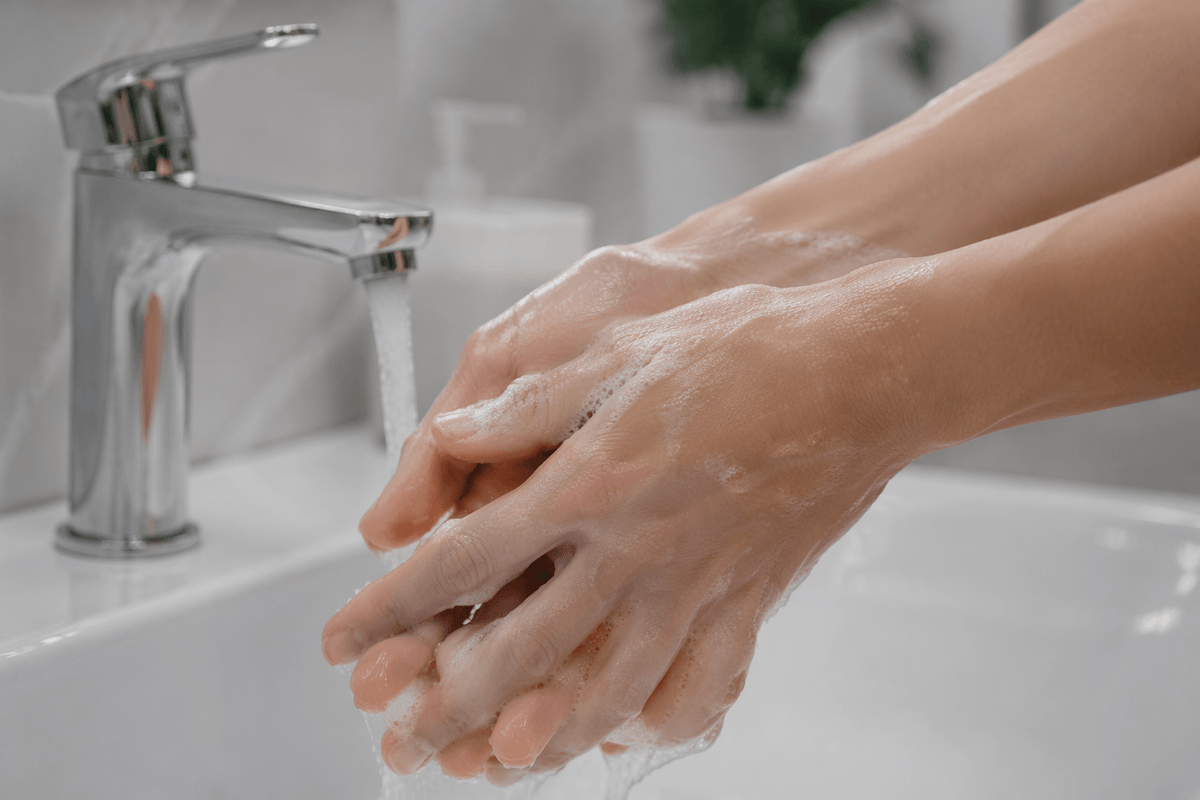
The moment that tends to surprise people is when a “fine” wash ends with that squeaky, over-dry finish—and then the next sanitizer use burns. In that window, the goal usually isn’t a whole new routine; it’s reducing how harsh the cycle feels on already-thinned skin, even when you can’t wash less.
Small shifts can change the outcome: using lukewarm instead of hot water, keeping lather time efficient (not prolonged), and drying by pressing with a towel rather than rubbing hard. If you apply a plain, fragrance-free hand cream while your hands are still slightly damp, it can slow the “evaporation rush” that happens in dry indoor air.
Gloves can be another quiet tipping point. Occlusive gloves trap sweat, then drying afterward can feel like a second hit—so your hands may do better with brief glove breaks, and with reapplying a light layer afterward. None of this is perfect or consistent day to day, but it can keep tightness from escalating into knuckle cracks by afternoon.
Clues it’s more than dryness—and when to check
Sometimes the first red flag isn’t how dry your hands look, but how they behave: the tightness doesn’t ease even on days you wash less, or the skin feels sore in a way that’s deeper than “winter dry.” You might notice rings of redness that stick around, patches that look a little shiny or thickened, or itching that shows up at night when nothing is touching your hands.
When the barrier stays stressed long enough, it can start reacting to things that used to be fine—certain soaps, glove materials, or even frequent wet work—so the irritation becomes less predictable. Cracks that keep reopening, bleeding at the knuckles or fingertips, swelling around nail folds, or a rash that spreads past the usual dry zones can be clues that it’s worth checking in with a clinician. And if you ever see warmth, increasing pain, pus, or red streaking, that’s a “don’t wait and see” moment.