Why “heart‑healthy” often means pattern, not product
It usually starts with a small swap that feels “responsible”—a cereal box with a heart on it, a snack bar that says whole grain, a deli turkey labeled low fat. Then the numbers come back a little stubborn anyway, and it’s hard not to assume you picked the wrong product.
Often it isn’t one item. It’s the weekly pattern: refined carbs showing up at breakfast and snacks, saturated fat quietly stacking in cheeses, sauces, and “just a little” butter, and sodium riding along in breads, soups, and prepared proteins. None of it has to feel extreme to add up.
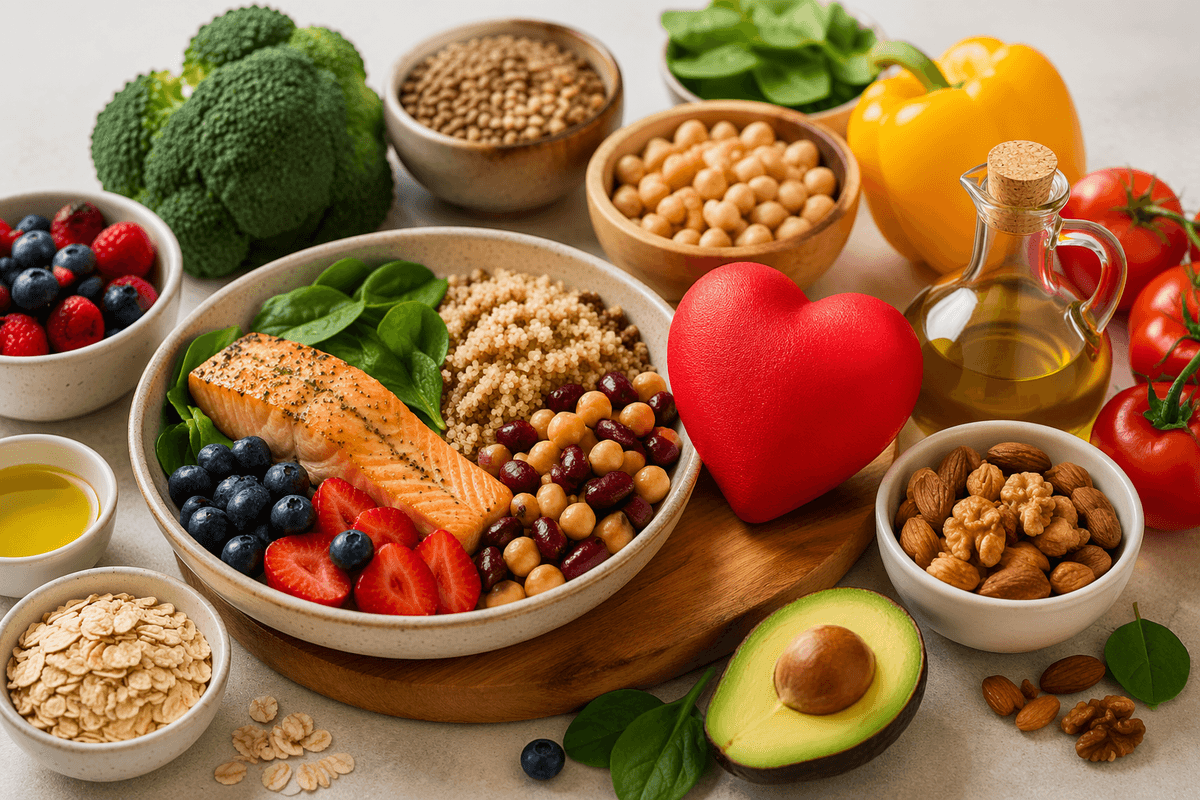
When the base of the week shifts—more fiber-rich plants, more unsaturated fats like olive oil and nuts, more simple low-sodium staples—the whole plan tends to feel lighter on the body without feeling like a diet. The change can be inconsistent at first, because the old defaults are fast and familiar.
Fiber-forward staples that quietly lower overall load
A couple days into “eating better,” the first thing many people notice isn’t cholesterol math—it’s that the usual mid‑afternoon snack doesn’t land the same. A granola bar or a handful of crackers still tastes fine, but it can feel like it disappears quickly, leaving you looking for something else an hour later.
That’s where fiber-forward staples quietly earn their keep. Oats, beans, lentils, chickpeas, berries, apples, and simple frozen vegetables tend to add bulk and slow how fast a meal moves through you. In some situations, that steadier pace means less swingy hunger and fewer accidental add‑ons—extra cheese, an extra slice of bread, the “small” dessert that wasn’t planned.
The dry beans take time, produce goes bad, and salads aren’t always appealing. So the most realistic fiber wins are repeatable ones—oatmeal you actually make, a can of low‑sodium beans you’ll use, a bag of frozen veg you can toss into pasta or eggs. The week feels different when those become the default background.
Fats that support arteries without feeling restrictive
It can be surprisingly noticeable the first time you dress a salad with olive oil instead of reaching for a creamy bottle: the meal tastes richer, but you don’t get that slightly heavy, “why am I still grazing?” feeling an hour later. Some people assume fat is the thing to avoid, then end up with meals that feel thin—so they patch the gap with chips, sweets, or an extra piece of toast.
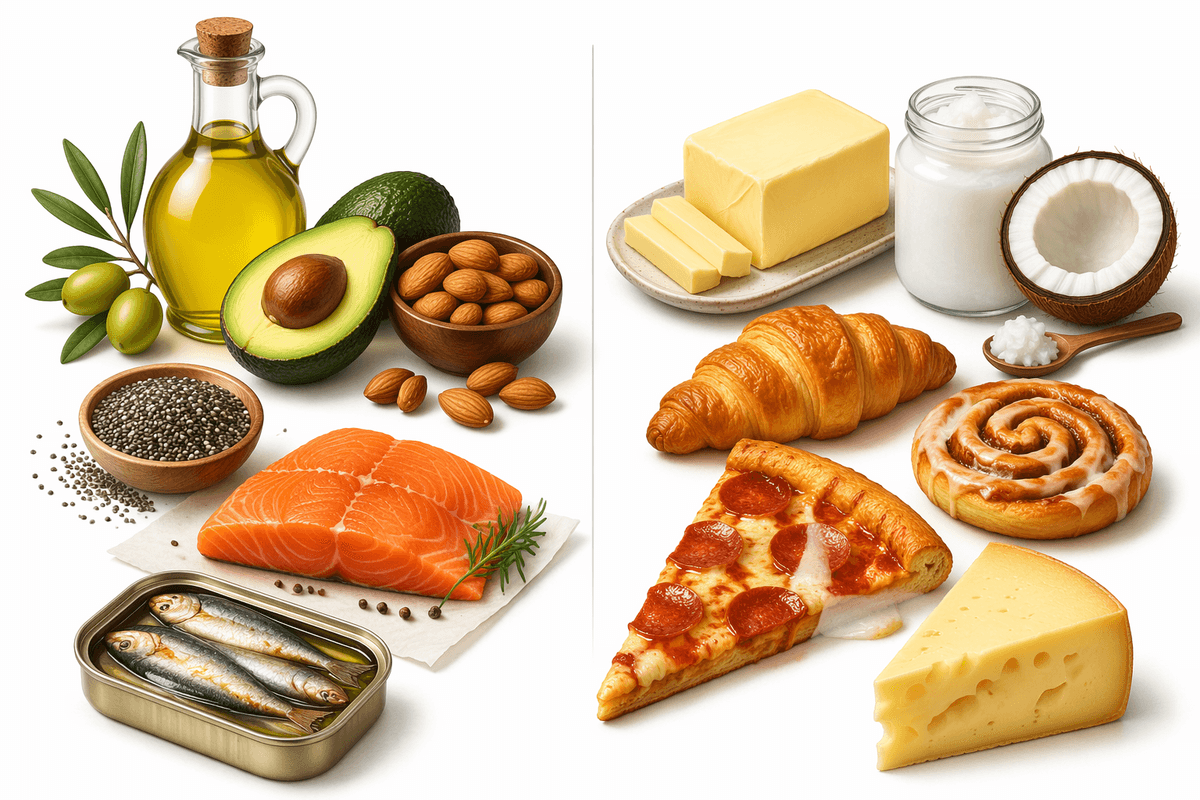
In a weekly plan, the more useful distinction is often which fat shows up by default. Unsaturated fats—olive oil, avocado, nuts, seeds, and fatty fish like salmon or sardines—tend to support a pattern that’s gentler on arteries than the quiet drip of saturated fat from butter, coconut oil, pastries, pizza, and cheese “extras.” It’s not that you can’t have those foods; it’s that they stack quickly when they’re the automatic finishing touch.
A handful of nuts turns into a couple handfuls, or “a drizzle” becomes a free-pour. Keeping these fats in the week works best when they act like repeatable accents—measured, familiar, and paired with fiber—rather than a new rule you have to police at every meal.
Protein choices that reduce saturated-fat creep
Halfway through the week, it often shows up as a “healthy” lunch that still feels oddly heavy: a chicken salad from a café, a turkey sandwich with cheese, a quick bowl topped with bacon bits. The protein seems responsible, so it’s easy to miss what’s riding along with it.
Saturated-fat creep usually comes from the protein package—dark-meat plus skin, marbled cuts, sausage, deli meats, and the extras that make them taste finished: cheese, creamy sauces, buttery cooking. Over days, those small additions can quietly crowd out fish, beans, lentils, tofu, or skinless poultry that keep the same meal structure with a different fat profile.
Leaner proteins can feel drier or less “worth it” unless they’re paired with something that carries flavor—olive oil, herbs, yogurt-based sauces, or a bean-heavy mix that stays satisfying without leaning on cheese.
Sodium surprises hiding in “healthy” convenience foods
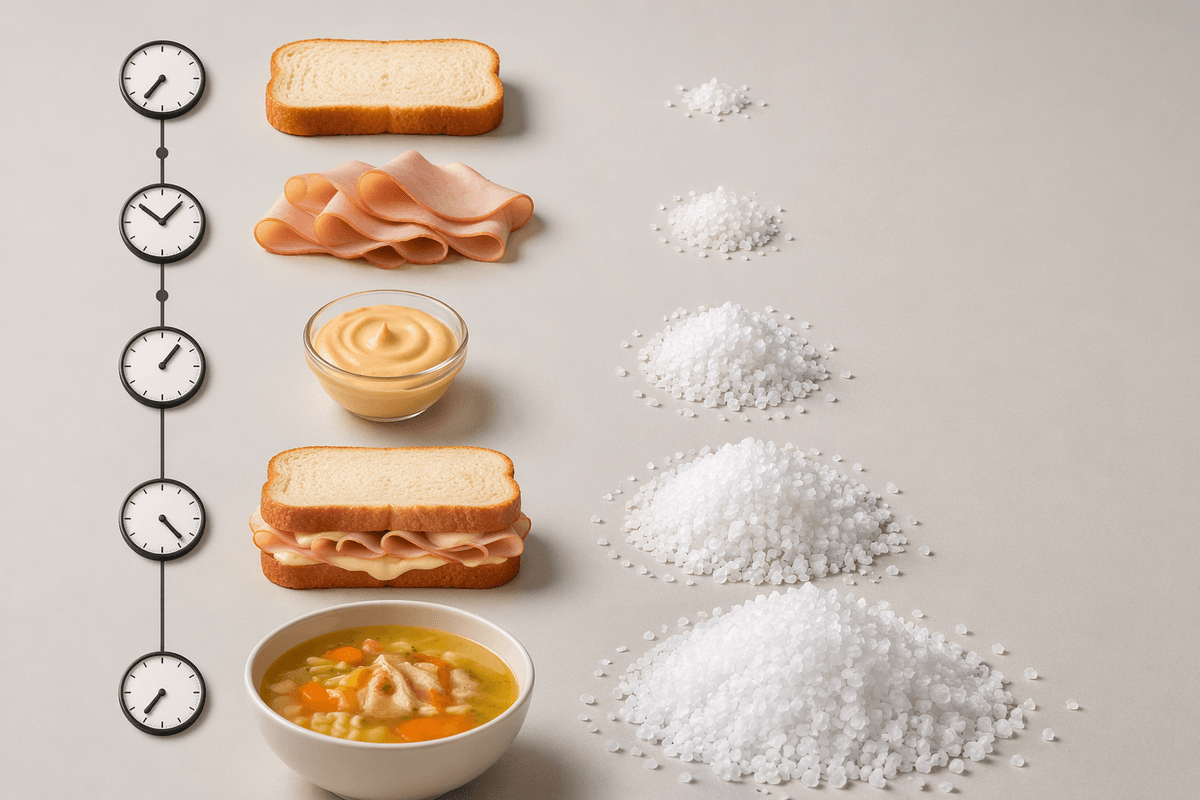
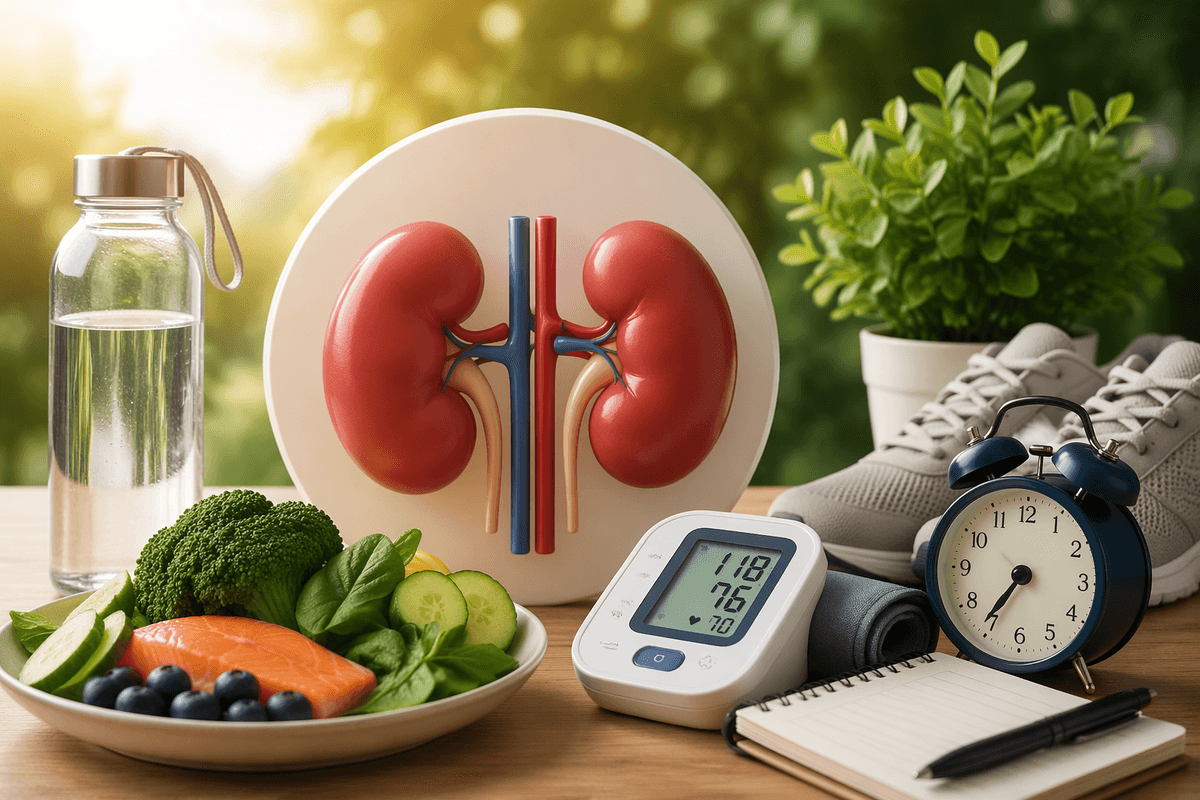
It’s often a subtle thirst that gives it away: you finish what looked like a clean, sensible meal—rotisserie chicken, a bagged salad, a cup of soup—and then spend the evening refilling your water. Some people chalk it up to “not enough protein” or a busy day, when it’s really the salt level climbing in the background.
Sodium sneaks in because convenience foods use it to keep flavor consistent and shelf life predictable. Bread and tortillas, deli turkey, canned soups, jarred sauces, frozen “healthy” bowls, cottage cheese, and even flavored nuts can all contribute, even when the front label sounds virtuous. None of these items feels like “salty food,” especially once your taste buds get used to it.
In practice, the creep shows up most when several of these stack in one day—sandwich bread plus deli meat plus a sauce, then soup at dinner. Swapping just one anchor to a lower-sodium version can make the whole week feel less puffy and less on-edge, without changing what you eat.
Antioxidant-rich add-ons that improve meals, not rules
Sometimes it’s the end of the day that feels off, not the meal itself—your “healthy” dinner checks the boxes, yet it still feels a little flat, like you want something extra afterward. That’s often when people reach for more bread, more cheese, or something sweet, because the meal didn’t feel complete.
Antioxidant-rich add-ons can work like a low-effort “finish” that changes the overall pattern without turning into another rule. Berries on oats, a handful of spinach stirred into eggs or pasta, sliced tomatoes or peppers on a sandwich, a spoon of salsa, a squeeze of lemon, or a sprinkle of herbs can add color and bite. In some situations, that extra brightness makes a simple, lower-sodium base taste more satisfying, so you don’t rely as much on salty sauces or creamy extras to make it feel like real food.
These foods are easy to forget until they’re wilted in the drawer. Frozen berries, jarred roasted peppers, and pantry options like unsalted cocoa or cinnamon can be the “always there” version—small, repeatable adds that make the week feel a little more supported.
Building a weekly plan that stays realistic
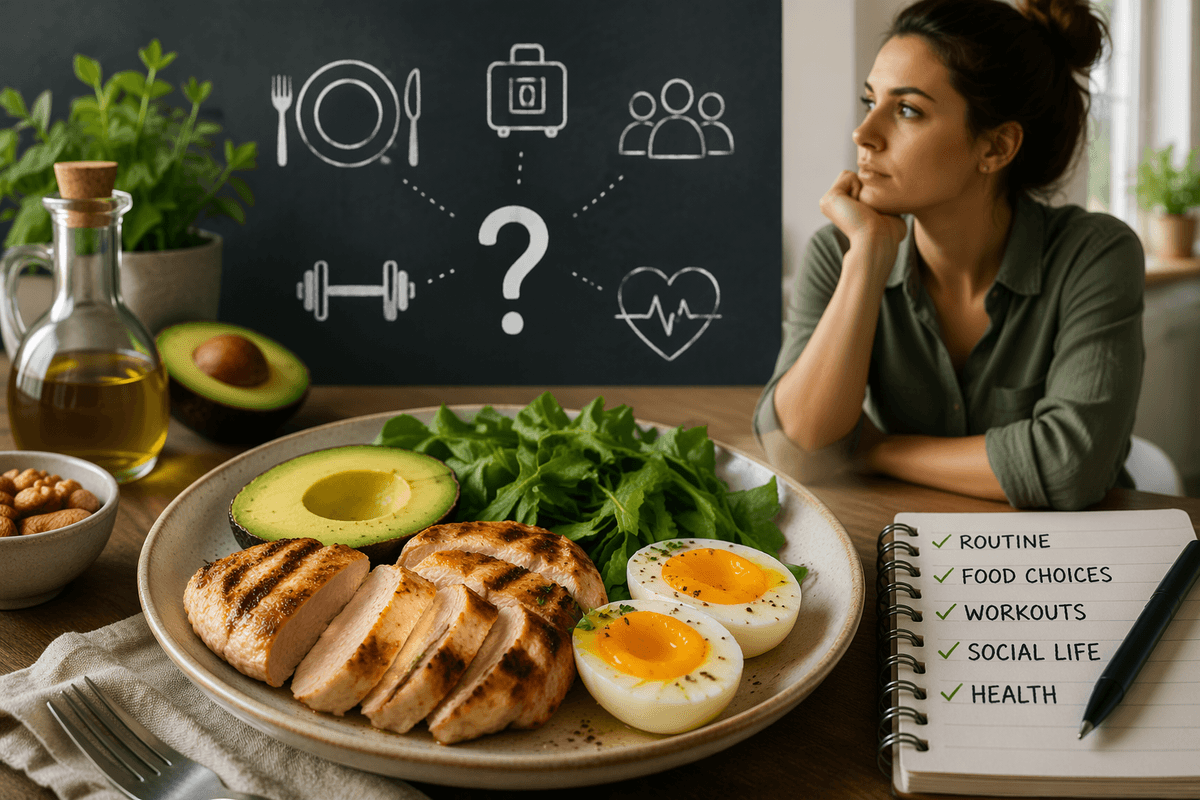
By Thursday, it can hit as a small fatigue around decisions: you’ve been “good,” but you’re still standing in front of the fridge looking for something that doesn’t create more work. That’s usually when the old defaults return—extra bread, a convenience bowl, a quick salty snack—not because you don’t care, but because the plan didn’t include a soft landing for busy nights.
A realistic week often has a few anchors you repeat on purpose: one fiber base (oats, beans, frozen vegetables), one unsaturated fat that shows up automatically (olive oil, nuts, avocado), and two proteins that don’t bring much saturated fat with them (fish once or twice, beans/tofu, skinless poultry). When those are “background foods,” the week’s totals shift even if lunch is imperfect and dinner changes.
The signal to watch isn’t perfection—it’s creep. If snacks keep escalating, portions get bigger, or you’re noticeably thirstier at night, it may be the combo of refined carbs plus sodium plus added fats stacking in the same day. When that pattern shows up, a single swap—lower-sodium sauce, fruit plus nuts, beans added to a meal—often steadies the next day without resetting the whole plan.