Why daily pain changes how choices feel
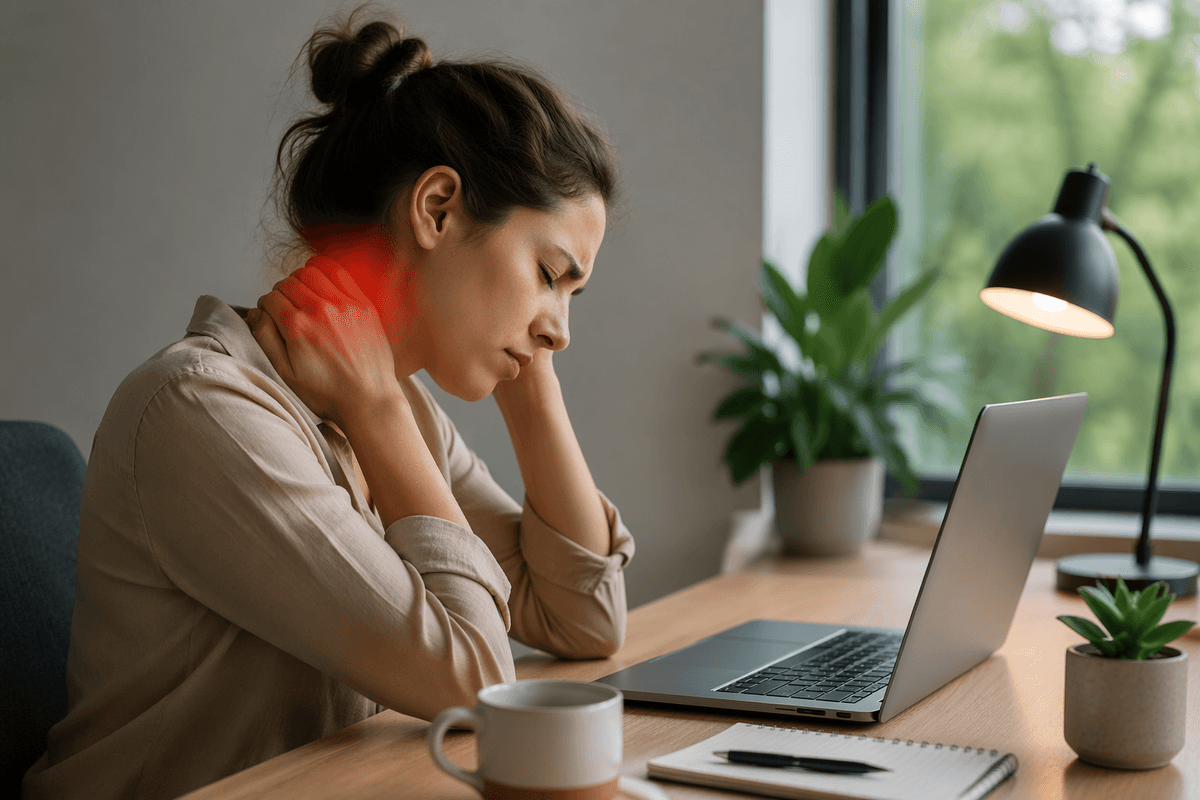
The decision that used to be automatic—carry the laundry basket, bend for the pan, take the longer route through the store—can start to come with a quick internal scan. Not because you’re overthinking, but because you’ve learned that ordinary movements sometimes “cost” more than they used to. And the hard part is that the cost isn’t consistent: one day you sit through a meeting and feel fine, the next day the same chair feels like a trap.
Daily pain can change how choices feel because your system begins treating uncertainty as risk. When something has flared you up before, your body may tighten early, you may move a little stiffer, and you may hold your breath without noticing. That extra guarding can make the movement feel heavier and less smooth, which then reads as a warning sign—even if the task itself isn’t objectively bigger.
Over time, this can create a stop-start rhythm: you push on a “good” morning, pay for it later, then pull back the next day. It may look like randomness from the outside, but it often follows a loop of sensitivity, sleep loss, stress, and sudden activity spikes—where the choice isn’t really about willpower, it’s about how safe the day feels.
Pacing versus pushing through: the hidden rebound

It often shows up a few hours later, not in the moment you decided to “just get it done.” The kitchen is finally clean, the errands are handled, and then your back starts to feel thick and hot, or a nerve-y ache begins to spread down a leg. That delay is what makes pushing through so convincing: your body doesn’t always cash the check right away.
On lower-symptom days, it’s easy to stack tasks—more bending, more lifting, longer sitting—because you’re trying to use the window while it’s open. But a sudden jump in load can leave tissues irritated and the nervous system more reactive, especially if you’ve been bracing, rushing, or holding your breath to get through it. The rebound isn’t always a clear “injury” feeling; it may feel like heaviness, restless pain at night, or stiffness that’s out of proportion to what you did.
Pacing can feel slower, but it often reduces that delayed spike by spreading effort across the day. The tricky part is that pacing isn’t consistent either: sometimes a few short breaks help, and other times the flare shows up anyway, which can make it tempting to go back to all-or-nothing. Noticing the delay—what happens later that evening or the next morning—can make the pattern easier to trust.
Micro-plans that lower effort without shrinking life
Halfway through a task, you might notice the urge to “finish while I can,” even if your back is starting to feel a little grippy or your joints get noisier. That’s often where the day quietly flips from steady to reactive—not because the task was too big, but because there wasn’t a small off-ramp built in.
Micro-plans are less about doing less and more about breaking the spike. Instead of “clean the kitchen,” it becomes “clear one counter, then sit for two minutes, then unload the top rack.” The body tends to respond better to predictable, repeatable doses than to a single long push, especially when you’re bracing or moving faster than usual. Even short resets can reduce the background tension that builds when your system expects the next movement to sting.
It can feel oddly unsatisfying at first—like you’re stopping on purpose. But when the evening doesn’t come with that thick, delayed ache as often, the plan starts to feel less like restriction and more like access.
Movement choices that respect sensitivity and variability

Sometimes it’s a tiny twist that gives you the first clue—reaching into the back seat, turning to load the dishwasher, stepping off a curb—and your body answers with a quick pinch or a protective “nope.” It can be confusing because the same motion might feel fine tomorrow. That inconsistency often nudges people into either freezing up and moving cautiously all day, or testing the edge until something snaps back later.
Movement tends to go better when it stays inside a range that feels doable today, even if that range is smaller than you’d like. When pain has been around for a while, your nervous system can get faster at sounding alarms, and your muscles may pre-tighten before you even start. Bracing, shallow breathing, and speed can make a normal hinge, squat, or walk feel sharper—not because the movement is “wrong,” but because it’s being done under threat, with less smoothness and less margin.
On steadier days, it may help to pick movements that spread load around—switching positions, using both sides, choosing shorter bouts—rather than repeating one motion until it finally complains. You can do everything “reasonably” and still have a reactive day. But over time, the pattern becomes clearer: it’s often the combo of sensitivity plus repeats plus fatigue, not a single specific move, that tips things into a flare.
Sleep, stress, and pain: a reinforcing loop
It can start with a small clue at night: you roll over and realize you’ve been holding your whole midsection like it’s waiting for impact. The position itself might not be extreme, but the moment you notice the tension, sleep feels less like dropping off and more like trying to “allow” it. Then morning shows up with that familiar bargain—move carefully because you’re stiff, but also move quickly because you’re behind.
When sleep is lighter or chopped up, your body often has less buffer for sensation the next day. Irritation that might have stayed quiet can feel louder, and your system may react sooner—more bracing, more scanning, more startle at normal pulls and pressures. Stress adds to that, not only because it’s mentally draining, but because it can keep breathing shallow and muscles subtly on all day, which makes ordinary sitting, driving, or chores feel more effortful than they “should.”
The loop can look like bad luck: poor sleep leads to higher sensitivity, higher sensitivity makes the day more guarded, and that guarded effort can make the night more restless again. If the pattern continues, it may help to treat a rough night as information—less a verdict on your body, more a sign that tomorrow’s margin is likely smaller.
Communication that reduces guessing and social strain
It often shows up in the pause before you answer a simple question: “Are you okay?” You might say yes because you don’t want a whole conversation, or you might start explaining and watch the other person’s face change—concern, confusion, impatience. Either way, you’re left translating your body in real time, which can feel like another task layered onto the day.
A lot of social strain comes from the mismatch between how pain behaves and how people expect problems to behave. If you looked “fine” yesterday, it can sound inconsistent to say that a short drive or a quick grocery trip feels like too much today. But sensitivity is often shaped by sleep, stress, and accumulated load, so the message that lands better is usually about bandwidth: what you can do right now, what tends to backfire later, and what helps you stay steadier.
Some days it’s enough to name the specific unknown you’re working with—“I can do this, but I may pay for it tonight”—so plans aren’t built on guesswork. It won’t remove awkward moments, but it can reduce the quiet pressure to either perform wellness or justify every limit.
Tracking patterns without turning life into monitoring
You might realize it when you’re halfway through the day and can’t remember whether this morning felt “okay” or if you just got used to moving carefully. When pain is always in the background, the details blur: you remember the flare, not the slow build—an extra hour of sitting, a rushed carry up the stairs, a shorter night that made everything sharper.
Tracking can help, but only if it stays light enough to live with. A few anchors—sleep quality, total sitting time, any unusual spikes in chores or walking, and the first moment you noticed guarding—often explain more than a long symptom diary. The point isn’t to catch every trigger; it’s to spot repeats: the delayed evening ache after stacked tasks, the crankier nerves after broken sleep, the “good morning” that turns reactive when you skip pauses.
Some weeks will still look messy, and that’s part of the information too. When you treat patterns as tendencies instead of rules, the notes stop feeling like surveillance and start reading like context—small clues about how much buffer you had, and what quietly spent it.