Five days in Japan: chasing “essence”
I almost derailed my own five-day Japan plan in the first ten minutes—staring at a map, realizing “just popping over to Kyoto” is a very different commitment than, say, adding another Tokyo neighborhood. With only five full days, the friction isn’t finding things to do; it’s accepting that every “extra” comes with train time, check-in time, and the mental load of one more transfer when you’re already jet-lagged.
So I framed the trip around a simple question: where do you want to feel Japan most reliably, even on a tired day? For most first-timers, that means building two strong bases (Tokyo, then Kyoto/Osaka) and treating day trips as optional bonuses, not pillars. You can still get the classic mix—temples, neon, food, and a quiet exhale—without turning your itinerary into a rail timetable.
The goal here isn’t to “do Japan.” It’s to pick a few moments that land: one early-morning street before the crowds, one long meal you don’t rush, one view that earns the commute—and to have an easy swap ready when weather, energy, or lines don’t cooperate.
Day 1 Tokyo contrasts (Must: Asakusa; Opt: Shibuya; Skip: long shopping)
I felt the first real decision at 6:30 a.m., standing on a too-quiet platform and realizing Tokyo rewards mornings more than stamina. Day 1 worked best when I treated it like a contrast study: old Tokyo before the tour buses, then modern Tokyo once my brain had caught up to the time zone. Asakusa is the “must” not because it’s secret—it isn’t—but because it delivers that classic temple-and-lantern feeling with minimal transit complexity if you go early.
Start at Sensō-ji via Nakamise-dori, but don’t judge it by the first wave of souvenir stalls; the street reads totally differently before 9 a.m. versus late morning, when it turns into shoulder-to-shoulder photo traffic. If you’re jet-lagged, this is actually a feature: you’re awake anyway, and you’ll get cleaner photos and a calmer walk. The limitation is that some shops won’t be open yet, so this is more about atmosphere than buying anything.
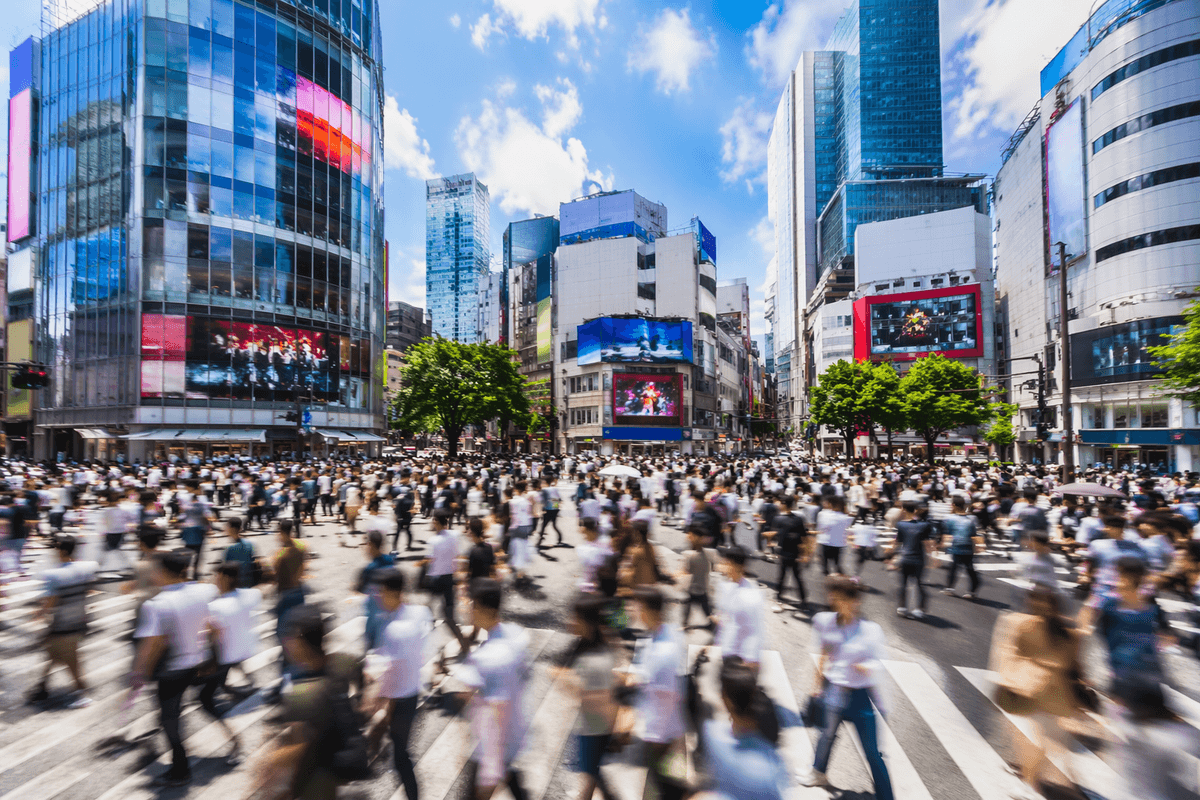
After a reset (coffee, a sit-down breakfast), Shibuya is the optional flip: it’s energizing, but only if you accept it’s a “look and feel” neighborhood, not an efficient errand run. I found the scramble and the surrounding streets more satisfying than trying to force a shopping agenda—department stores eat hours fast, and Day 1 is a fragile day for pace. If you want one contained modern view, pick a single vantage point and a short loop, then get out before your feet start negotiating.
Day 2 Tokyo food/culture (M: Tsukiji; O: teamLab; S: distant districts)
The first snag on Day 2 is that “Tsukiji” can mean two different mornings: the old-image fish market hunt, or a simple, excellent breakfast with a crowd-management plan. I treated it as the second. Getting there early worked—less line math, less decision fatigue—and it’s one of the few places in Tokyo where you can eat “classic” without committing to a formal restaurant. The constraint is that it’s easy to over-sample and accidentally turn breakfast into a 10,000-yen wandering buffet, so I picked two anchors (one donburi, one snack) and called it done.
From there, the culture piece clicked when I kept transit tight. teamLab is the optional add that feels worth pre-booking because it can swallow an entire afternoon if you show up improvising—tickets, timed entry, and getting there at the wrong hour all stack up fast. It’s also not “Tokyo history,” so it only earns its spot if you want a modern, sensory counterpoint to temples later in the week. If you’re already tired, it’s surprisingly good for a low-effort “wow,” but it’s not a short stop.
What I skipped: distant districts that look tempting on a map but behave like a half-day once you account for station walking, transfers, and the inevitable “since we’re here…” detours. Day 2 is where Tokyo starts asking for sprawl; saying no is how you keep energy for the Kyoto stretch.
Day 3 Hakone or Fuji escape (M: onsen; O: lake cruise; S: extra transfers)
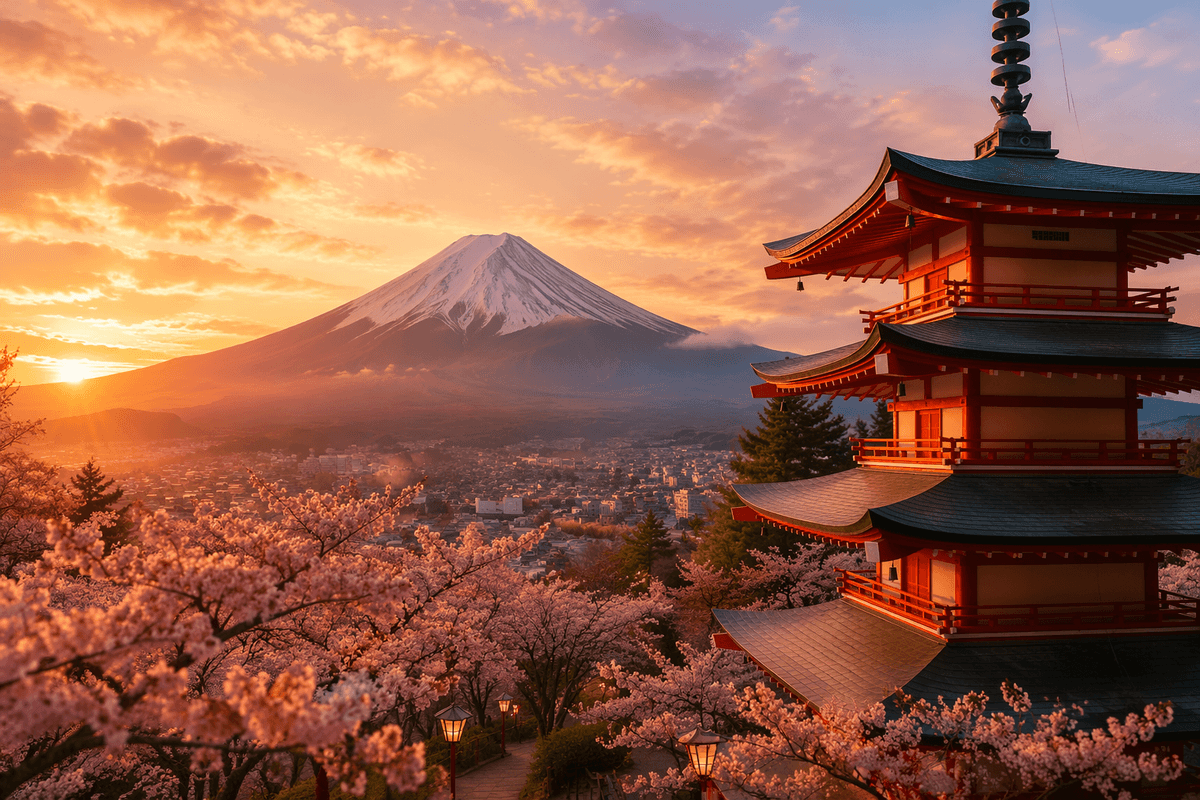
I almost bailed on the Day 3 escape while holding a coffee in Tokyo Station, because this is the day trip that looks simple on Instagram and turns into a small logistics exam in real life. Hakone and Fuji both promise “nature + classic Japan,” but the way you get that feeling is different: Hakone is a contained circuit built for visitors (with a lot of moving parts), while Fuji is more about committing to a viewpoint and accepting that clouds can veto you.
If you want the most reliable “reset” for the least mental load, I’d bias Hakone—and make the onsen the non-negotiable. The experience pays off even when visibility is mediocre, and it’s the one moment in a five-day sprint where your body actually catches up. What doesn’t work as well: trying to do the full Hakone loop at a brisk pace. Between trains, buses, ropeways, and lines, it’s easy to spend the day in transit-mode instead of rest-mode.
The lake cruise is a clean optional add if you’re already in Hakone and the timing lines up, but it’s not worth contorting your route for—miss one connection and you’ll feel the clock tighten. My “skip” here is extra transfers for a perfect-photo checklist; pick one scenic element (onsen, or lake, or a single viewpoint), do it unhurried, and get back to Tokyo with enough energy left to pack for Kyoto.
Day 4 Kyoto icons (M: Fushimi Inari; O: Arashiyama; S: midday crowds)
I learned quickly that Kyoto punishes vague mornings. The “we’ll see how we feel” approach that works in Tokyo turns into crowded buses and slow sidewalks here, so I made one firm call: Fushimi Inari first, before breakfast fully mattered. Arriving early meant the shrine felt like a place of worship rather than a photo queue, and the climb up through the torii gates gave me that classic Kyoto image without needing perfect weather. The constraint is physical more than logistical—stairs, humidity, and the temptation to keep going just because the path continues—so I treated it as an out-and-back to a quieter midpoint instead of an endurance project.
Arashiyama is the optional icon, but it’s only satisfying if you accept it won’t be serene at peak hours. The bamboo grove is a short stretch; the time cost is everything around it (train timing, bridge-area crowds, and the way “quick lunch” becomes a long wait). I liked it most as a late-afternoon pivot when the light softened and my expectations were realistic: one focused walk, one specific stop, then leave before the evening crush on the return trains.
The “skip” is Kyoto at midday as a productivity exercise. Between packed buses and heat, stacking multiple headline sights back-to-back felt like watching my patience drain faster than my battery. If you only do one thing today, do the early shrine climb—Kyoto’s icons land best when you give them quiet.
Day 5 Kyoto to Osaka finale (M: Dotonbori; O: Nara detour; S: too many sights)
The Day 5 question hit me before I even left Kyoto: do you want a clean Osaka night, or do you want to “earn” it with a Nara detour? On paper, Nara is easy—one more train, one more station—but in practice it turns your finale into a schedule day, especially if you’re carrying luggage or threading hotel check-in times. I only liked the Nara idea if I could keep my bag in a locker (or forward it) and commit to a short loop: Tōdai-ji and the park, then out. If you try to bolt on extra temples “because you’re here,” the deer stop being charming and start feeling like another crowd.
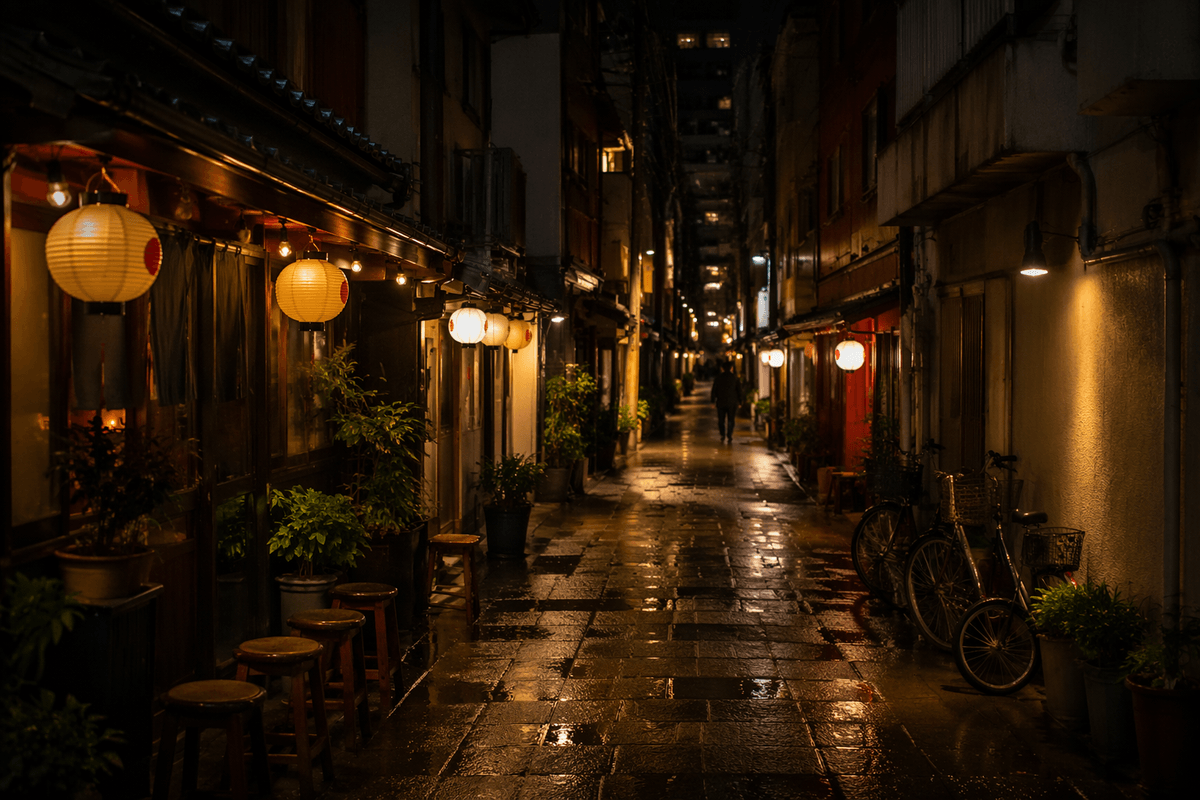
Osaka worked best when I treated it as decompression, not a second Kyoto. Dotonbori is the must because it delivers instantly: lights, noise, street food, and that slightly chaotic river-walk energy that makes you feel like you’ve arrived somewhere different. The catch is that it’s easy to drift into an hours-long slow shuffle behind other people doing the exact same thing, so I went with one food target (okonomiyaki or takoyaki), one short canal loop, then ducked into a quieter side street when the density got annoying.
What I’d skip is the “Osaka greatest hits” sprint—castle, aquarium, viewpoints, shopping—on the same afternoon. With only five days, this is the victory lap; leaving a little unclaimed is what keeps it from feeling like you spent your last night inside a checklist.
Wrap-up: what “essence” you actually felt (M: list highlights; O: return plan; S: FOMO)
My last night, I caught myself doing the dangerous math—“If I’d skipped that coffee, could I have squeezed in one more shrine?”—and that’s when the trip’s “essence” finally felt obvious: Japan isn’t a single highlight, it’s the way contrasts stack when you stop forcing them. The moments that landed were surprisingly few and very specific: Asakusa before the stalls fully woke up, a controlled Tsukiji breakfast that didn’t spiral into an all-morning graze, an onsen soak that made the whole week feel less like transit, the quiet stretch partway up Fushimi Inari, and Osaka’s neon chaos once I stopped trying to optimize it.
If I were doing the same five days again, I’d return with one deliberate change: keep Tokyo and Kyoto/Osaka as the bases, but choose just one “escape” (Hakone or Nara) depending on weather and energy, not ambition. That single decision cuts transfers and keeps your evenings usable, which is where a lot of the trip’s texture actually shows up.
The thing to skip, emotionally, is FOMO as a planning tool. You’ll leave something famous untouched—almost guaranteed—but the calmer you keep your days, the more Japan shows up in the margins: early platforms, long meals, and the relief of not sprinting for the next station.