Intro: set priorities
I almost over-planned Hong Kong on the first pass—pinning everything that looked iconic—until the map made the problem obvious: the city rewards clustering, and it punishes zig-zagging. The real decision isn’t “what’s best,” it’s what you’re willing to spend on it: time in transit, extra MTR transfers, and the slow bleed of energy that shows up around day three.
For five full days, I like to set three anchors: one skyline day (Central/Peak), one “big-ticket” out-of-town day (Lantau), and one true outdoors morning (Dragon’s Back). Everything else—night markets, museums, ferry rides—fits around those anchors based on weather and crowds. If you try to cram the Peak and Lantau into the same day, you’ll technically succeed and still feel like you failed.
The other priority is timing. The same spot can feel effortless at 9 a.m. and miserable at 3 p.m., especially in heat or rain. So this plan front-loads early starts, keeps afternoons flexible, and saves the most queue-prone stops for when you have the patience—or a backup ready.
Day1 Central/Peak—Must: Peak; Opt: Star Ferry; Skip: queues
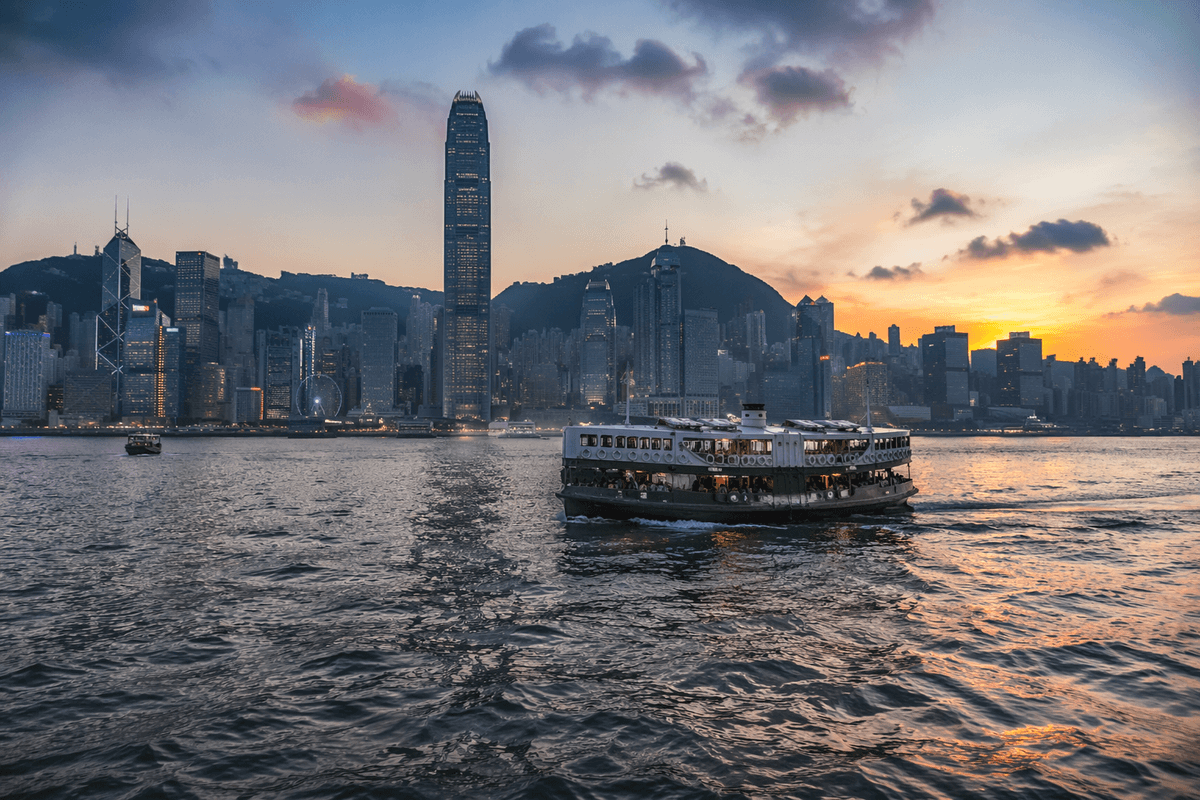
The first real fork in the road is how you want to “do” the Peak: the classic Peak Tram experience, or the faster, less romantic bus/taxi option. I went up early—before I’d even fully decided what breakfast was—because the difference is night-and-day. If you arrive late morning, you’ll spend your freshest hour shuffling through switchbacks just to board, and the view won’t feel like it earned the time you paid for it.
If you want the tram, treat it like a timed attraction: go on a weekday morning if you can, and pre-book when available; otherwise, be at the lower terminus close to opening. When that doesn’t line up (or the weather is socked in), bus 15 from Central is the sanity-preserving move—slower on paper, but often quicker door-to-viewpoint because you’re not trapped in a single queue funnel. Up top, I preferred walking a short section of Lugard Road over lingering at the main viewing platforms; it spreads people out, but it does add effort and humidity, especially if the sun’s already high.
Coming down, I liked using the city’s momentum instead of fighting it. If you’re staying on Hong Kong Island, roll straight into Central for a late lunch and a low-stakes wander (PM energy dips are real here). If you’re crossing to Kowloon anyway, the Star Ferry is the small “iconic” add-on that behaves: it’s cheap, frequent, and doesn’t require you to commit to a fixed schedule. The one thing I’d deliberately skip on Day 1 is any attraction that advertises itself with a line—save your patience for later, when you’ve learned what your heat tolerance actually is.
Day2 Kowloon—Must: Temple Street; Opt: markets; Skip: midday
The first time I aimed for Kowloon “whenever,” I ended up there at the worst possible hour: early afternoon, when the pavement feels like it’s radiating back at you and the streets look oddly sleepy. Day 2 works better if you accept a simple constraint—Kowloon is a night personality—and you plan the daytime around air-conditioning, shade, or short hops rather than long wandering loops.
I treated the morning as a practical window for markets because you can move faster before the heat and crowds stack up. If you’re choosing between options, I’d rather spend that earlier energy on Mong Kok-style street shopping (busy but efficient) than on Temple Street, which isn’t trying to impress you at 10 a.m. The catch is that markets can blur together if you’re not buying anything; set a small mission (one snack, one small souvenir, one “walk away” price) or you’ll burn time without feeling like you did much.
Temple Street is the must, but only after dark—go around dinner, not right at sunset, when everyone has the same idea. I liked it most as a moving evening: eat first nearby, then treat the market as a slow walk with optional detours, not a place you need to “finish.” If rain hits, it still works, just slower and tighter; if you’re wiped out, you can shorten it without guilt. The one thing I’d skip is midday “exploring” in between—use that span for a museum, a long lunch, or even a hotel reset, because sweating through an extra hour rarely pays you back at night.
Day3 Lantau—Must: Big Buddha; Opt: Tai O; Skip: lines
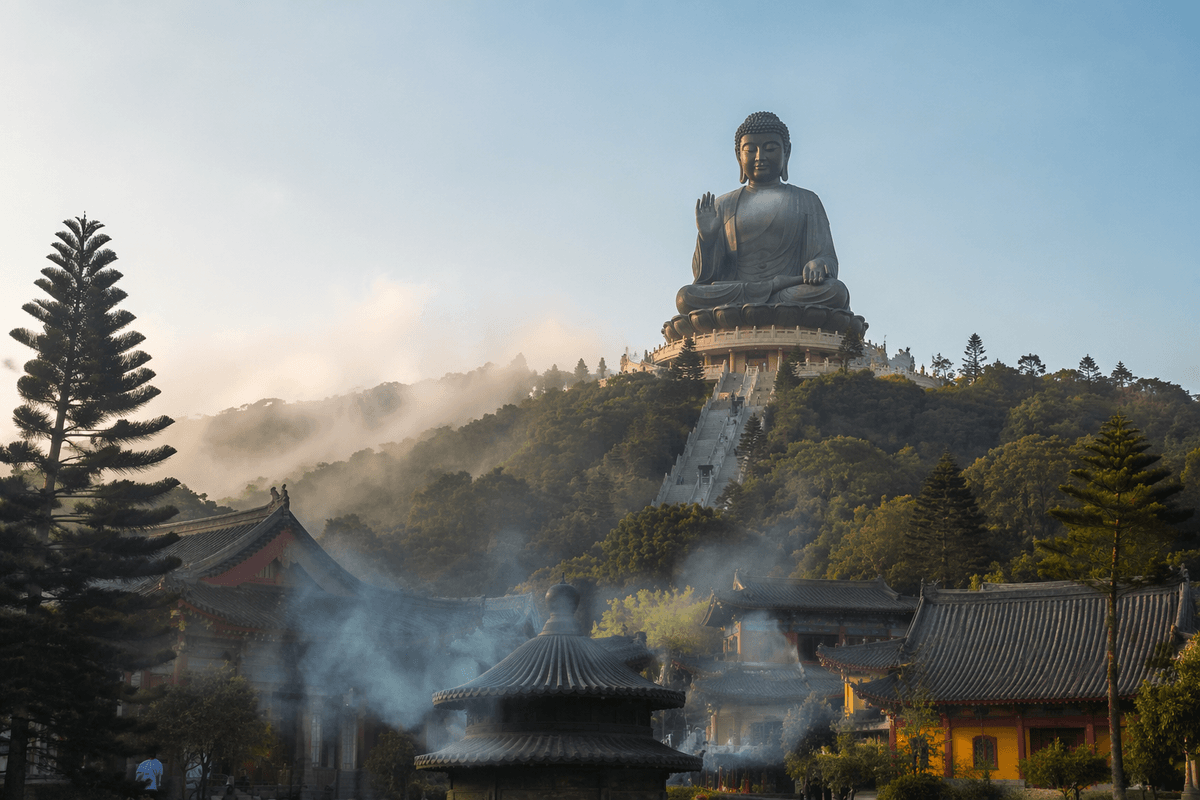
I hesitated on Lantau because it looks “close” on the map, but it eats time in a way Central doesn’t—one missed connection and your morning becomes a sequence of platforms and bus bays. I treated it like a single-purpose day and went early to Tung Chung, aiming to be moving toward Ngong Ping before the tour groups fully arrived. If you’re choosing your approach, the Ngong Ping 360 cable car is the memorable one, but it’s also the one with the most fragile timeline: wind, low visibility, and queue build-up can turn a clean plan into a long wait.
My best version of the Big Buddha day was basically a constraint game: keep the “must” simple, then decide whether you have patience left. The statue and the monastery area are genuinely worth it, but only if you’re not grinding your teeth in line first. If the cable car queue looks ugly, taking the bus up is less scenic and more stop-and-go, yet it often saves your mood—and your calves—because you arrive ready to walk the steps instead of already drained. Also, in heavy haze or rain, the Buddha still works, but the sweeping views don’t; that’s when I’d spend more time inside the monastery and less time chasing lookout photos.
Tai O is the optional add-on that sounds quick and rarely is. It’s charming in a lived-in way, but it adds another set of transport decisions and makes dinner back in the city feel late. If you’re traveling as a couple and want a slower, weirder afternoon, go; if you’re solo and already feeling the week’s fatigue, I’d skip it and come back via Tung Chung with a straightforward meal plan—Lantau days end better when you don’t try to “win” them.
Day4 Outdoors—Must: Dragon's Back; Opt: Shek O; Skip: crowds
I almost talked myself out of Dragon’s Back because it looks like “just a hike,” and after three city-heavy days, the friction is real: you have to commit to a morning start and a slightly fiddly bus ride. But that commitment is exactly why it works on Day 4—your legs are tired enough to appreciate something simple, and your brain is tired enough to want a horizon. Go early, not because it’s hardcore, but because the trail feels different before the heat and school-holiday energy kick in; late morning turns the narrow sections into a slow-moving line where you’re stuck matching someone else’s pace.
The hike itself is satisfyingly efficient: you get views quickly without a long grind, and you can choose how “finished” you want to be. I liked treating the ridge as the main event and keeping the rest optional—if humidity is high or clouds drop, the payoff shrinks fast, and you’ll feel the effort more than the scenery. In that case, I’d shorten the route and save your time for an easier coastal afternoon rather than forcing a full completion just to tick a box.
Shek O is the clean add-on when your timing behaves: it’s close enough to feel like a reward, but it can also swallow hours if you arrive hungry, sandy, and indecisive about where to eat. I’d go if you can land there before mid-afternoon; if not, skip it and head back while transit is still smooth. Crowds aren’t constant, but when they spike, the vibe shifts from “escape” to “everyone had the same idea,” and that’s a bad day to pretend you don’t need a shower and a quiet dinner.
Day5 Culture/food—Must: dim sum; Opt: museums; Skip: sprees
I left this day intentionally “soft” until the night before, because Hong Kong culture plans fall apart fastest when you pretend you’ll have museum-focus energy after four straight days of walking. Dim sum is the one must that still works even if you’re tired—provided you choose the right time. Go early-late (think just after opening) or mid-afternoon; the classic brunch window is when you’ll pay in queues and table-time pressure, which makes it oddly hard to enjoy what you ordered.
If you’re picking one dim sum experience, decide whether you want the room or the efficiency. The old-school, big dining hall vibe is memorable, but it can be loud and a little chaotic if you’re solo and trying to pace yourself; a smaller, modern spot is easier to order and get out of before your day slips. Either way, order like you’re testing, not committing: two or three items first, then add—because finishing a meal that looked “iconic” on a menu can become the day’s slowest mistake.
After that, museums are the clean optional block—especially if it’s raining or the humidity is peaking—because they’re predictable time-wise and give your feet a break. I’d choose one focused museum rather than trying to “do culture” across multiple buildings; the extra MTR transfers cost more energy than you expect. What I’d skip on Day 5 is the shopping-spree fantasy: malls are convenient, but they’ll quietly eat half a day, and you’ll leave with bags instead of a memory that feels like Hong Kong.
Wrap-up
On my last morning, the only thing I regretted was trying to “use up” Hong Kong with one more cross-harbor dash—nothing kills the goodbye glow like watching the MTR clock tick while you’re hauling a slightly-too-heavy day bag. The cleaner ending was treating the final hours as a buffer: a repeat snack you actually liked, a short waterfront walk, and enough slack to get to the airport without turning it into a race.
If you follow this five-day shape, the win isn’t that you saw everything—it’s that the hard days are spaced out, and your legs get a say. Central/Peak and Lantau are the two that punish late starts; Kowloon nights and the “culture/food” day are the ones you can slide around when rain shows up or humidity spikes. The decision cue I’d keep in your back pocket is simple: if you’re already queue-fatigued by lunch, stop adding “iconic” and start protecting your evening—Hong Kong is at its best when you’re not negotiating with your own patience.