The real question: time here or elsewhere?
The pin for Rēzekne hovered on my phone while the Riga bus station board flipped to “Departed,” and I stood there with a coffee going lukewarm. On the map, Latgale looked like a clean eastward slide; in the hall, the next connection had a gap that wasn’t obvious until you’d already committed. That tiny pause—five minutes, one platform change—was enough to make the detour feel less like a line and more like a decision.
The real question isn’t whether Latgale is “authentic” (it is, in the uncurated way that doesn’t always photograph well), but whether you can afford the travel days when you’ve only got 4–6 in Latvia. Riga gives you density: museums, food, English, and plans that survive rain. Latgale gives you space—lakes, small workshops, minority culture—at the price of slower routing, fewer late options, and occasional silence when you try to confirm what’s actually open outside peak season.
If you’re happiest when a quiet shoreline beats a checklist, the trade-off can feel fair, especially traveling as a solo or duo on a mid budget. If you need flexibility hour-to-hour, or you hate building a day around two buses and a “maybe” opening time, you’ll feel the friction fast. I’d treat Latgale like a deliberate chapter: pick one base, check dates twice, and decide whether that slower pace is the point—or the cost.
What Latgale feels like now
I noticed it on a Tuesday around 18:40, when the last warm light hit the lake and the street in town went quiet in a way Riga never does. I’d walked past a shuttered café window with a handwritten “open Fri–Sun” note, then watched two teens roll by on bikes like they owned the whole evening. It wasn’t bleak, just unhurried—and it made my “I’ll decide dinner later” habit feel slightly naive.
Latgale right now feels lived-in rather than arranged for visitors: a lot of normal Latvia, with pockets of craft and minority culture that you reach by choice, not by accident. Costs can be gentler than the capital (rooms and meals often sit in that mid-budget sweet spot), but you pay in planning: places run on seasonal hours, and a museum or workshop that’s easy in July can become a phone-call gamble in shoulder months. English exists, especially with younger staff, yet the gap shows fastest when you need a timetable clarified or a ride adjusted.
Getting around is the defining texture. With a car, distances collapse into scenic loops; without one, they become a day shaped by two departures and a buffer you’ll resent if you’re restless. This works beautifully for a solo/duo traveler who wants slow lakes, early nights, and a few anchored visits; it’s a poor match if you need spontaneous hopping between villages. I stopped fighting the pace and started choosing one solid plan per day, then letting the quiet fill the rest.
The experiences that still shine
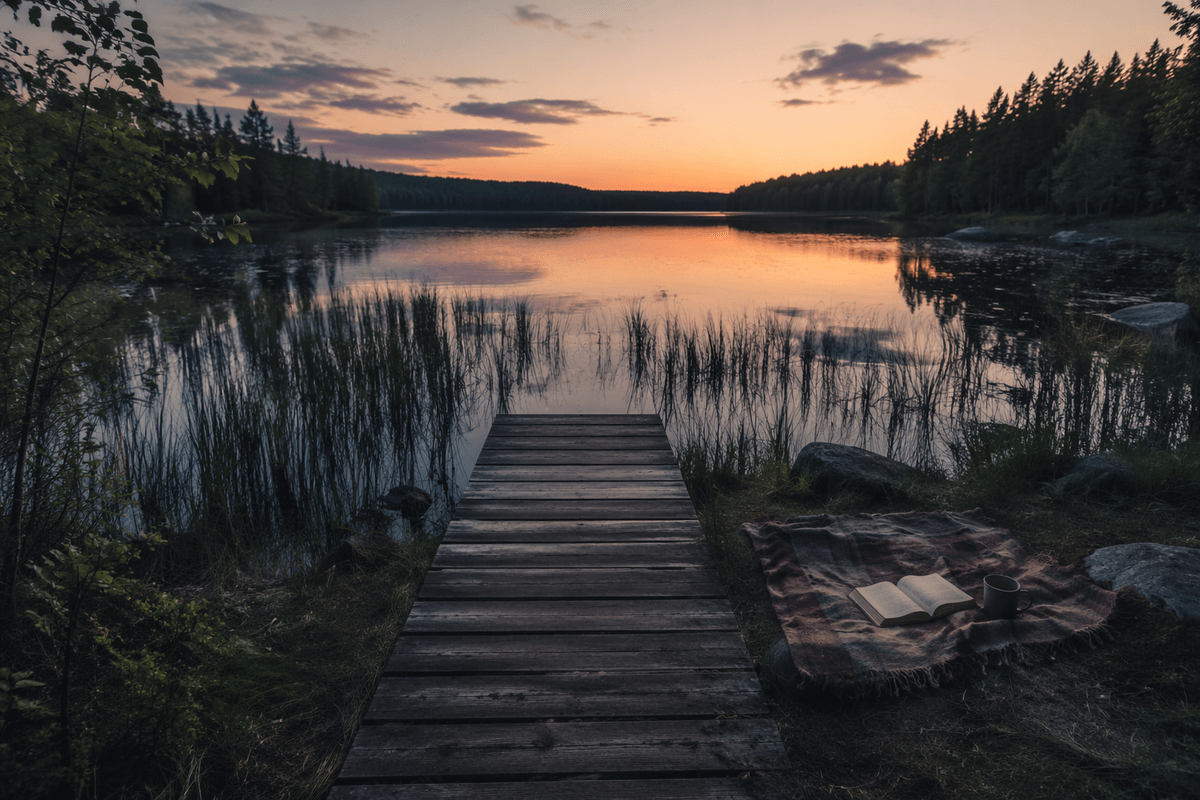
I hesitated at the edge of Lake Rāzna with my shoes half off, watching a thin line of swimmers cut through water that looked colder than it was. The “beach” was more grass-and-sand patchwork than resort, and the changing cabin door didn’t quite close, but the silence did what glossy lakeside towns rarely manage. Ten minutes in, I stopped thinking about whether I’d picked the “right” region and started thinking about how long I could stay before my bus back.
The lakes are the obvious win, yet they shine precisely because they’re not packaged: short boardwalks, informal picnic spots, and those long twilight stretches when you can walk without meeting anyone. It works best if you’re happy with one anchor per day—swim, read, wander—because hopping from shoreline to shoreline without a car is inefficient, and the light starts to go before you’ve finished your detour. In warm months, even a simple loop (water + dinner + sunset) can feel fuller than a Riga day stuffed with tickets.
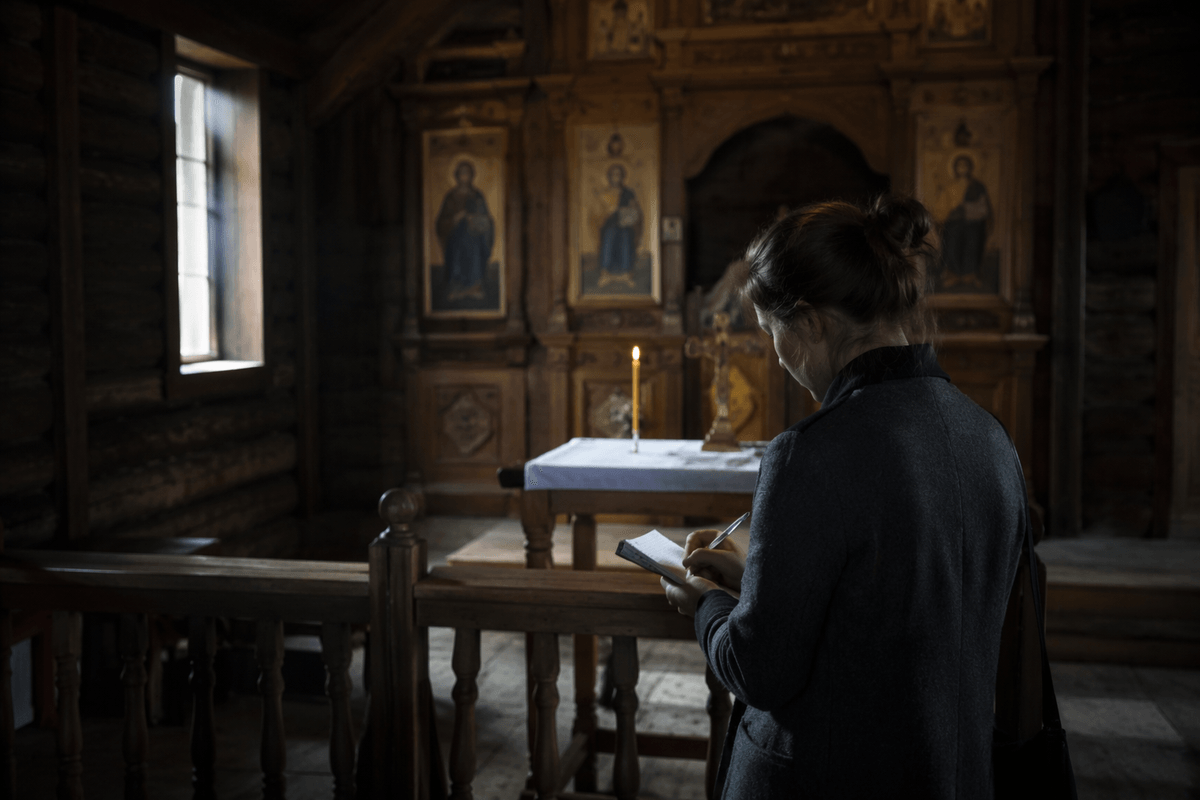
The craft and minority-culture moments are smaller, but they land harder: a ceramics studio where the kiln schedule dictates visiting hours, a church where you quietly copy down a name because nobody’s selling you a narrative, a museum room that’s open today because one staff member is. Sometimes you’ll email, sometimes you’ll just try the door—but for a solo/duo traveler who likes quiet competence over crowds, those imperfect encounters are the point.
Where reality can disappoint travelers
I realized it at 07:12, standing on a damp platform with a bakery bun I’d bought “for the ride,” watching my connection time stretch from tidy to awkward. The timetable screenshot on my phone didn’t match what was posted, and the station noticeboard wasn’t in English. It wasn’t a crisis, just that familiar travel math: one missed link and your lake day becomes a waiting day.
The disappointments in Latgale tend to be practical rather than dramatic. Information can be patchy or stale—hours that shift by season, a workshop that’s “usually open” but only if the maker is in, a small museum that quietly closes early when staffing is thin. Compared to Riga, where rain just pushes you indoors, bad weather here narrows your options fast; without a car, “I’ll just go somewhere else” often means another long gap between departures.
Route inefficiency is the stealth cost. A place that looks close on the map can require a backtrack through your base town, and late-day plans get squeezed because the last bus doesn’t care that sunset is perfect at 21:30. This setup works for travelers who enjoy committing to one area and letting quiet fill the edges; it’s rough on anyone who needs choice, or the reassurance of English when plans wobble. If you feel your patience thinning, that’s usually the cue to simplify tomorrow rather than push farther.
My verdict: who it’s best for
At 16:55 I watched my notes app while a bus driver folded the paper sign behind his windshield, and I felt that small panic of a plan that depends on one departure. I’d penciled in a pottery studio and a lakeside walk, but the daylight math started winning: miss this ride and dinner becomes a convenience-store improvisation. It was the kind of moment that makes you decide what you actually came for.
Latgale is best for a mid-budget solo/duo traveler who likes quiet water, early starts, and experiences that don’t need applause to feel real. If your ideal day is one anchored visit—lake time, a church, a small museum, a workshop you’ve pre-confirmed—then the slower routing feels like part of the atmosphere rather than a tax. It’s a tougher fit if you rely on English to troubleshoot fast, or if you want to stack three villages before lunch; Riga and the coast simply reward limited days more reliably.
Season matters more here than most brochures admit: summer buys you longer light and more open doors, while shoulder months can mean “closed” signs and weather that narrows your options to whatever’s reachable without a heroic connection. If you can commit to one base and accept one imperfect day, take the detour; if that sentence already annoys you, stay west and spend the saved hours well.