What keto promises versus what daily life demands
The first few days can feel oddly clean. You eat eggs, chicken, avocado, and suddenly you’re not thinking about snacks every hour. That’s the promise people hear: steadier energy, fewer cravings, a simpler appetite. But daily life usually tests the “simple” part first—because keto isn’t just choosing different foods, it’s keeping carbs low in places you don’t control.
It shows up at lunch meetings where the only option is a sandwich tray, or at home when you’re cooking pasta for everyone else and scraping sauce off your own plate. Even small add-ons—sweetened coffee creamer, a handful of fries, a “healthy” granola bar—can push carbs higher than you planned, and then the day feels like a restart instead of a routine.
When keto works smoothly, it’s often because the environment is quiet and predictable: repeated meals, easy grocery runs, and fewer last-minute dinners out. When life gets messy, the effort shifts from “eat when you’re hungry” to “manage the rules,” and that friction is usually what decides whether the promise holds.
How keto changes hunger, energy, and cravings
Somewhere around day three, the weird part isn’t the food—it’s your mouth. You can finish a salty meal and still feel like you “need” something, even though your stomach is quiet. That’s often the habit loop talking: the brain expects a quick hit of sweet or starch, while your appetite signals are starting to soften.
As carbs drop, your body leans more on stored fuel and dietary fat, and many people notice fewer sharp hunger spikes between meals. The trade-off is that the first stretch can feel uneven: a flat, low-grade fatigue in the afternoon, a slightly wired feeling at night, or a headache that seems out of proportion to the change. Part of that can be fluid and electrolyte shifts—less glycogen means less water held in the body—so “low energy” can sometimes be more about feeling drained than truly underfed.
Cravings often shrink in volume but get more specific. It’s less “eat everything,” more “bread would fix this.” If that specificity sticks for weeks, it can be a sign the routine is fighting you, not the other way around.
Food rules that feel easy, until they don’t
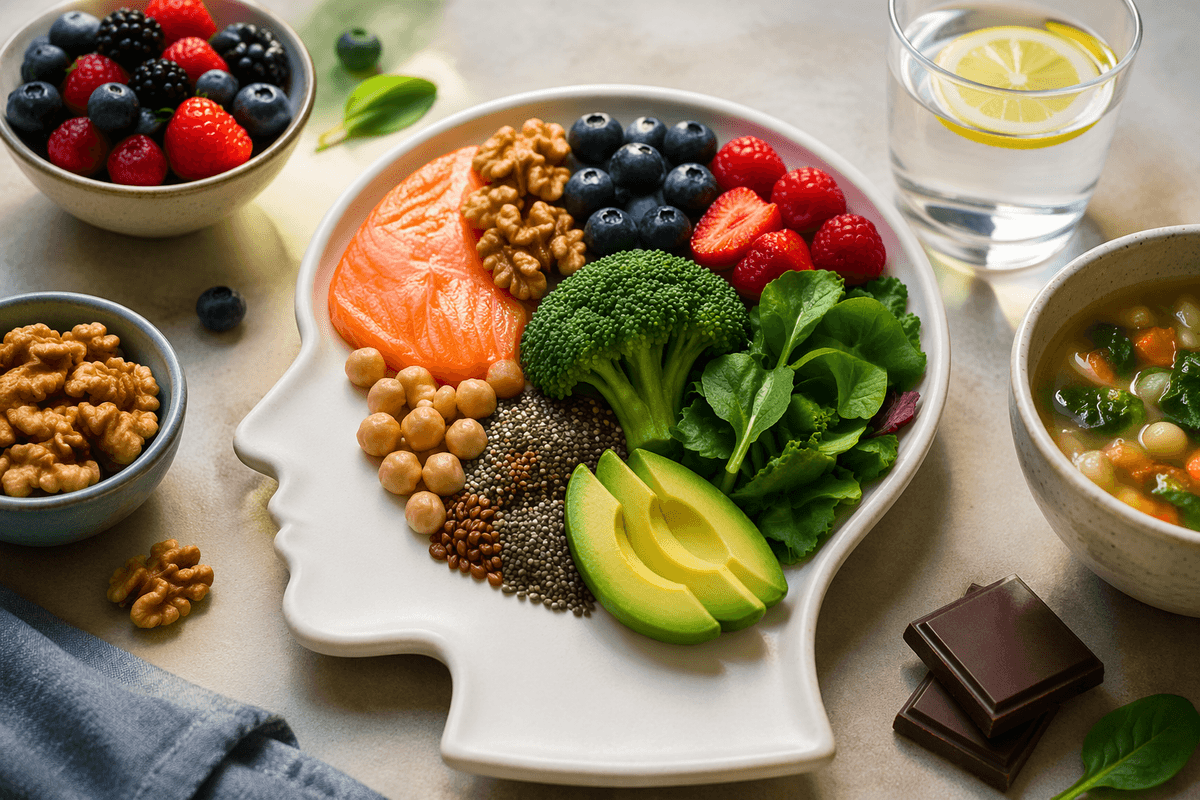
You notice it the first time you don’t have to decide. Breakfast is the same, lunch is a leftover bowl, dinner is a protein and something green. The rules feel almost soothing: skip bread, skip sugar, don’t “wing it” with sauces. For a busy week, that can be a relief—less negotiating with yourself, fewer snacky detours.
Then the friction shows up in the small print. The salad that seemed safe comes with candied nuts, a sweet dressing, and a breaded topping you didn’t clock. The “quick” rotisserie chicken turns into a label check because the seasoning blend is doing more than seasoning. Keto can work best when choices are obvious, but real-life food is often mixed, hidden, and inconsistent.
And when the rules tighten, variety quietly shrinks. Less fruit, fewer beans, fewer easy side dishes can mean less fiber and less satisfaction from the plate, even if calories are fine. If digestion gets sluggish or meals start feeling repetitive, it may not be a willpower problem—sometimes it’s the routine asking for more flexibility than the plan allows.
Consistency triggers: routines, travel, and social eating

The first time you eat out on keto, it can feel like you’re doing math in public. You order the burger without the bun, then realize the ketchup, the onions, and the “house sauce” are doing more work than you expected. Nothing is dramatic, but the meal takes effort in a way your usual routine doesn’t, and that friction tends to show up right when you’re already tired or rushed.
Routines are where keto either becomes boring-in-a-good-way or quietly collapses. If your day is built around predictable meals, it’s easier to stay low-carb without thinking. But travel days, kid activities, or back-to-back meetings push you toward whatever is fastest—and fast food is often carbs plus hidden sugar. Even when you “stay compliant,” the fiber drop and the salt-and-water shifts can make you feel oddly puffy, constipated, or headachey, which people sometimes mistake for needing fewer calories instead of a different structure.
Social eating adds a different pressure: not hunger, but awkwardness. If you find yourself pre-eating, picking at a plate, or resenting the options, that’s a consistency signal—not a character flaw.
Keto’s trade-offs for workouts and performance goals
You can feel it on the warm-up. The weight that usually moves clean suddenly feels “sticky,” like your legs don’t quite have that quick gear. On keto, that isn’t always a motivation problem—it can be the simple fact that high-intensity efforts lean heavily on stored carbohydrate, and those stores tend to run lower when carbs stay very low.
Some people adapt and do fine at steady, moderate work, especially long walks, easy runs, or zone-two cardio. But intervals, heavy lifting, and sports with stop-and-go bursts often expose the trade-off first: higher perceived effort, slower recovery between sets, or a flat finish. If you’re also losing water and sodium early on, that can layer in cramps or a lightheaded “off” feeling that looks like poor conditioning.
One workout feels normal, the next feels like you’re dragging. That pattern can be a quiet signal that your training goals and your fuel strategy aren’t perfectly aligned yet.
Health considerations that deserve extra caution

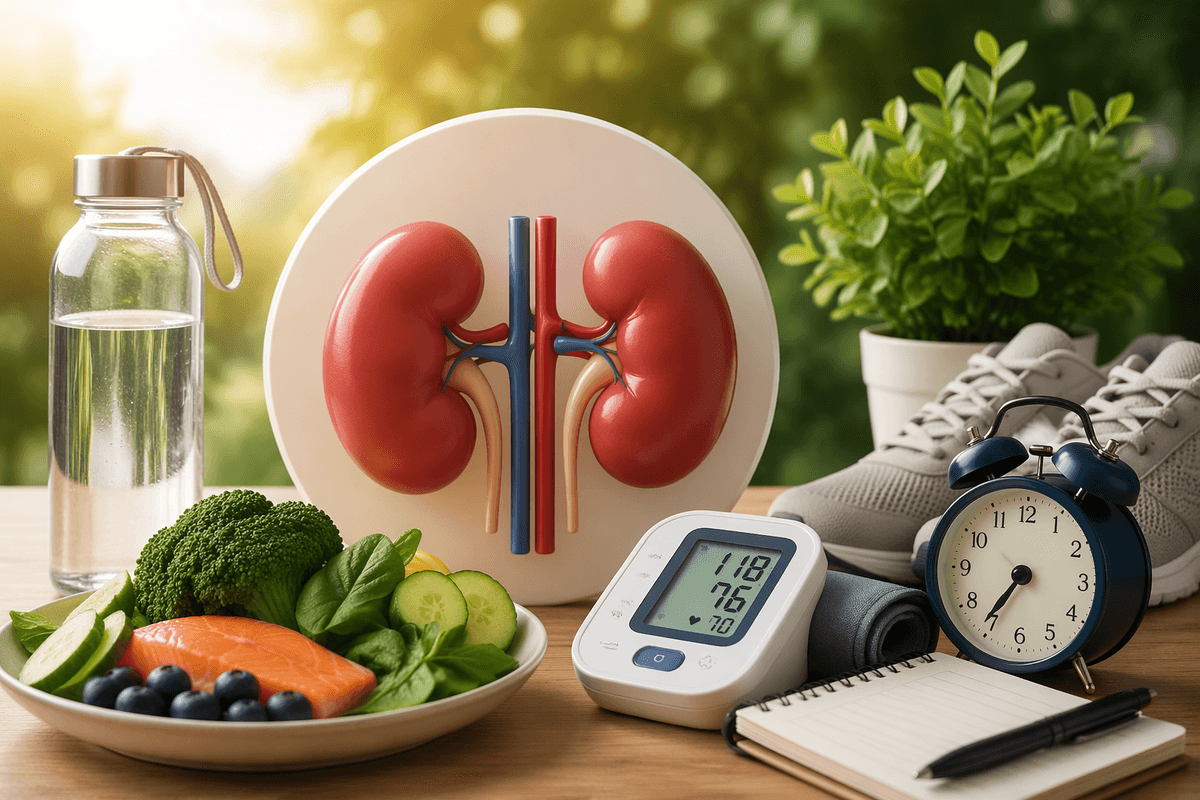
The first real “this is more than a food plan” moment is often in the mirror, not on the scale: you stand up quickly and feel a brief head-rush, or you wake up with a dry mouth and a faster heartbeat than usual. Early keto can shift fluid and sodium, and if you already run on the lower side for blood pressure, that lightheaded, washed-out feeling can sneak in even when you’re eating enough.
The higher-stakes version is when keto overlaps with medications. If you use insulin or blood-sugar–lowering meds, or you’re on blood-pressure pills or diuretics, the same carb and fluid changes that make appetite quieter may also change what your usual dose “does.” People sometimes interpret the wobbliness as “keto flu,” when it’s really a mismatch between the plan and the body’s current setup.
And then there’s the slow stuff: less fruit, fewer beans, fewer whole grains can mean less fiber and fewer micronutrients unless you’re deliberately replacing them. If digestion, mood, or sleep keeps feeling off, it may be a signal to pause and reassess—not push harder.
A practical self-check before you commit
It usually hits when you’re staring into the fridge at 9 p.m., not hungry but mentally tired, realizing tomorrow’s “simple” day still requires planning. Before you commit, notice whether the structure you’d need—repeatable breakfasts, packable lunches, a few reliable restaurant orders—feels calming or constricting. If it only works on perfect weeks, that’s not a moral failure; it’s a fit issue.
Pay attention to the pattern, not a single day: Are cravings getting quieter over weeks, or just getting narrower and louder? Is your energy steadier, or are you riding a cycle of flat afternoons and wired nights? If digestion is slowing, workouts feel consistently sticky, or social meals are turning into avoidance, those are practical signals that the trade-offs may be piling up faster than the benefits.
And if you take meds that affect blood sugar or blood pressure, the “self-check” often isn’t willpower—it’s whether you can monitor and adjust safely, rather than guessing through symptoms.