When travel gets expensive, you still need to go
The price jump usually shows up after you’ve already committed emotionally. A wedding invite, a long-weekend plan with friends, a family visit that feels non‑optional. You open the flight calendar and the numbers look like they belong to a different year. The first impulse is to chase the cheapest fare you can click, but that’s where the “frugal” choices start quietly getting expensive—bags, awkward connection times, and tickets that can’t be changed without paying again.
At this point, the real question isn’t how to get the lowest headline price. It’s how much uncertainty you can carry. If you can’t miss work on Monday, a tight layover isn’t a bargain. If you’re traveling with gifts or winter gear, a personal-item-only fare can turn into two checked bags. The goal is a trip that still happens, at a cost you can predict.
Once that’s clear, the calendar becomes your negotiating tool, not just a place to pick dates.
Let the calendar do the bargaining for you
The first useful move is to stop searching for a flight and start shopping a set of dates. If the wedding is on Saturday, the trip usually isn’t. Leaving Thursday night versus Friday after work can swing the fare enough to cover a hotel night, and coming back Tuesday morning instead of Sunday evening can avoid the “everyone goes home” pricing. The constraint is real: an extra vacation day costs money, so you’re comparing wage time, lodging, and airfare together.
Look at departures in both directions, not just outbound. A cheap Friday flight that forces a $70 ride-share at midnight isn’t cheaper than a slightly pricier midday option with a train home. Same with airports—if a secondary airport saves $90 but adds a $60 shuttle each way, the calendar win disappears fast.
When you find the low spot, don’t lock yourself into it blindly. If your schedule is firm, pay for a fare that can move; if it’s flexible, hold the flexibility in the dates, not in risky connections.
One carry-on can erase half your fees
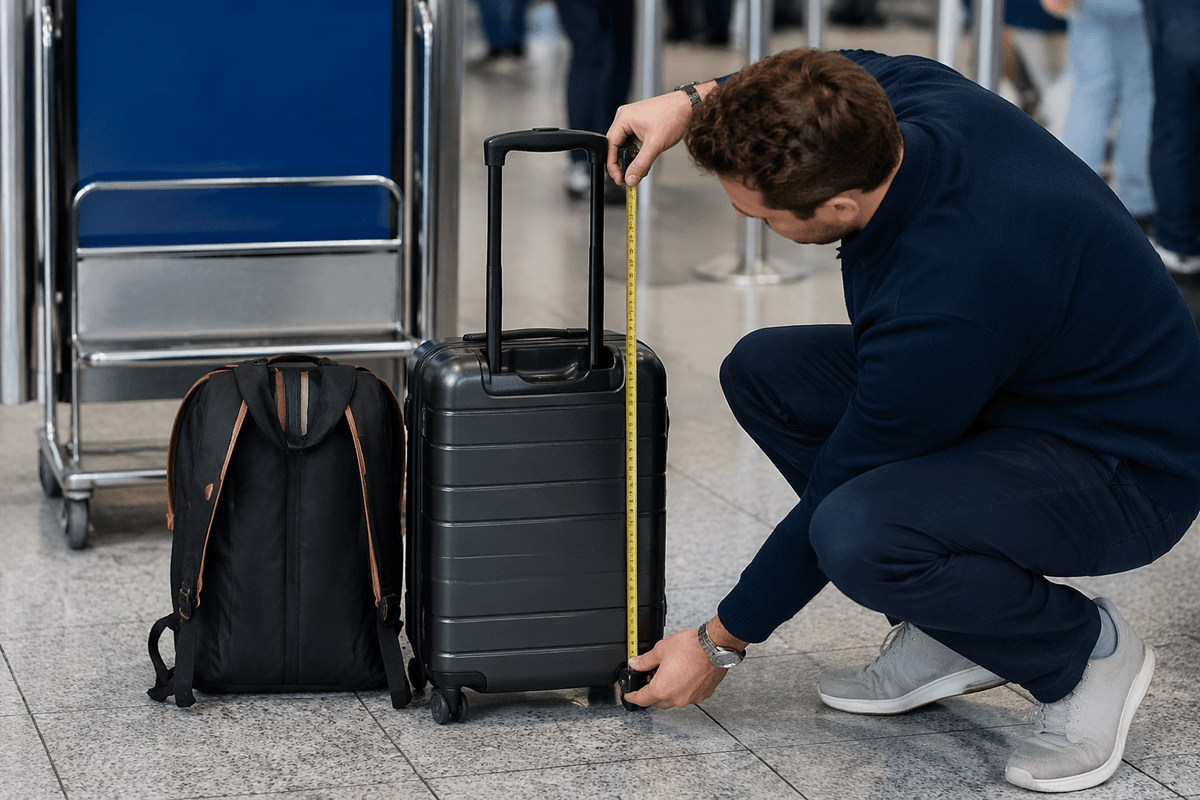
Once the dates are doing some of the work, the next leak is baggage. The cheapest fare often assumes a personal item and nothing else, and the math changes the second a roller bag becomes “carry-on” instead of “free.” On a short trip, the difference between packing light and paying à la carte can be $60–$140 round trip, and that’s before you’ve checked anything. The constraint is physical: you’re packing to a size limit, not to your ideal list.
A single, reliably compliant carry-on is worth more than a “good deal” suitcase. Measure it once, including wheels and handles, and stick to it. If you’re traveling with a coat, gifts, or dress shoes, plan the bulk early—laundry mid-trip is cheaper than adding a bag later at the airport when fees spike.
If you’re flying with someone, consolidate. Two people can often share one carry-on and two personal items, which keeps flexibility without paying for it in bag fees.
Stack rewards without turning trips into a game
After you’ve cut the baggage leak, the next place people overcomplicate things is “points.” The easy win isn’t chasing a new card for every trip; it’s picking one airline and one hotel chain you can actually use, then letting repeat purchases do the work. The constraint is time: if a deal takes hours to “earn,” it’s usually not a deal.
Start with what you’re already paying for. Put the flight on a card that earns travel points, then book the hotel through the program you’ll stick with, even if the nightly rate is a few dollars higher. A $12 difference can be worth it if it avoids a random property and a second ride-share across town.
Keep one rule: never buy extra stuff to “unlock” rewards. If hitting a minimum spend forces a bigger trip, a nonrefundable rate, or upgrades you wouldn’t have bought, the math flips. Points feel flexible until a delay turns them into rebooking stress.
Budget airlines: savings upfront, surprises later
Now the budget airline option starts to look tempting, especially when the fare is half of what you just priced. The catch is that the low number is usually a “seat and a small item” offer, and everything that makes the trip feel normal gets priced separately. The constraint is simple: once you add a carry-on, choose a seat, or pay to board earlier, the total can climb fast.
The next friction is timing and disruption risk. A cheaper flight that leaves at 6 a.m. might require an extra hotel night or a $50–$80 ride-share when transit isn’t running. If the schedule is thin and that flight cancels, the “next one tomorrow” problem becomes an unpaid day off work, plus last-minute rebooking on someone else.
So the better test isn’t “is it cheaper,” it’s “can this itinerary break without costing me the trip.” If the answer is no, pay the slightly higher fare that buys fewer fees, easier changes, and a backup plan that isn’t panic-priced.
Eat well cheaply without living on snacks
Once the flight and bag math is under control, food is the next quiet budget bender. Airport meals, convenience-store “dinners,” and a couple of $18 cocktails can erase whatever you saved by picking the off-peak date. The tricky part is that hunger doesn’t wait for a deal, and after a delay or a late check-in, “cheap” turns into whatever is still open.
The move that keeps it comfortable is getting one real meal plan onto the trip early. Book a hotel with breakfast if the price difference is modest, or plan a grocery stop within the first hour—yogurt, fruit, a sandwich fix, and something you can carry. It costs $25–$40 up front, but it buys predictable mornings and a backup dinner when everything nearby is overpriced.
Then spend on the meals that feel like the trip. Lunch specials, happy-hour menus, and one sit-down dinner are easier to control than improvising three times a day. If the room only has a mini-fridge, you can still save by making “snacks” into an actual light meal instead of paying restaurant prices just to stop being hungry.
Book the boring parts early, keep options open

By the time food is handled, the trip usually feels “set,” which is when small logistics start getting pricey. The boring parts—airport-to-hotel, first-night check-in, the one reservation that can’t slip—are also the parts that spike when you’re tired, delayed, or stuck paying whatever’s available.
I like to lock in only what prevents a spiral: the first and last night of lodging, and a realistic plan from the arrival airport to where you’re sleeping. That might mean booking a refundable hotel rate instead of the rock-bottom prepaid one, or choosing a place near a train line even if it’s $15 more. The constraint is timing: if your flight lands late, the “cheaper” neighborhood that requires two transfers can turn into a $60 ride-share.
Everything else stays loose on purpose. Hold off on nonrefundable tours, scattered one-way ground tickets, and back-to-back reservations that assume the flight runs perfectly. You’re not paying for spontaneity—you’re buying insurance against the day where a delay turns the whole trip into rebooking math.
A frugal trip still costs something—plan that part
Even after the calendar wins, the carry-on discipline, and the “boring parts” locked in, the trip still has a baseline cost that doesn’t negotiate. Transit cards, a late-night ride when the flight slips, a tip, a museum ticket you didn’t prebook, sunscreen you forgot. These aren’t failures; they’re the normal charges that show up when you’re trying to keep the trip comfortable.
The mistake is treating those as emergencies. I keep a small “friction fund” inside the trip budget—usually $20–$40 per day depending on the city—and I decide what it’s for before I leave. If the airline saves $90 but the plan can’t absorb a $65 ride-share or a $40 meal during a delay, it wasn’t really cheaper.
Once that cushion exists, the rest gets simpler. You can say no to bad-value add-ons, yes to the one thing that makes the trip feel worth it, and still get home without the final-day scramble to “make it up” on the credit card.