Boston basics: why it surprises first-timers
The first surprise is how small Boston feels on a map—and how slow it can move on the ground. Downtown is compact enough that you’ll think, “We’ll just walk it,” until cobblestones, hills, and a damp wind off the harbor turn a 25-minute stroll into a pace-killer. The city rewards tight clusters, not ambitious zigzags.
Boston also makes you choose between “iconic” and “pleasant” more than you expect. The Freedom Trail is genuinely efficient for first-timers, but it’s walk-heavy and the most crowded segments (Faneuil Hall/Quincy Market area) can feel like a funnel of tour groups. If you start early, it reads like living history; if you start late, it can feel like you’re just following backpacks.
Finally, timing matters as much as taste: North End meals are memorable, but weekend waits can eat an hour you thought you’d spend on the waterfront. Build in one flexible indoor option (museum, market, even a long lunch) because coastal weather shifts fast—and Boston’s best days are the ones you adjust, not the ones you over-schedule.
Choose your home base and neighborhood vibe
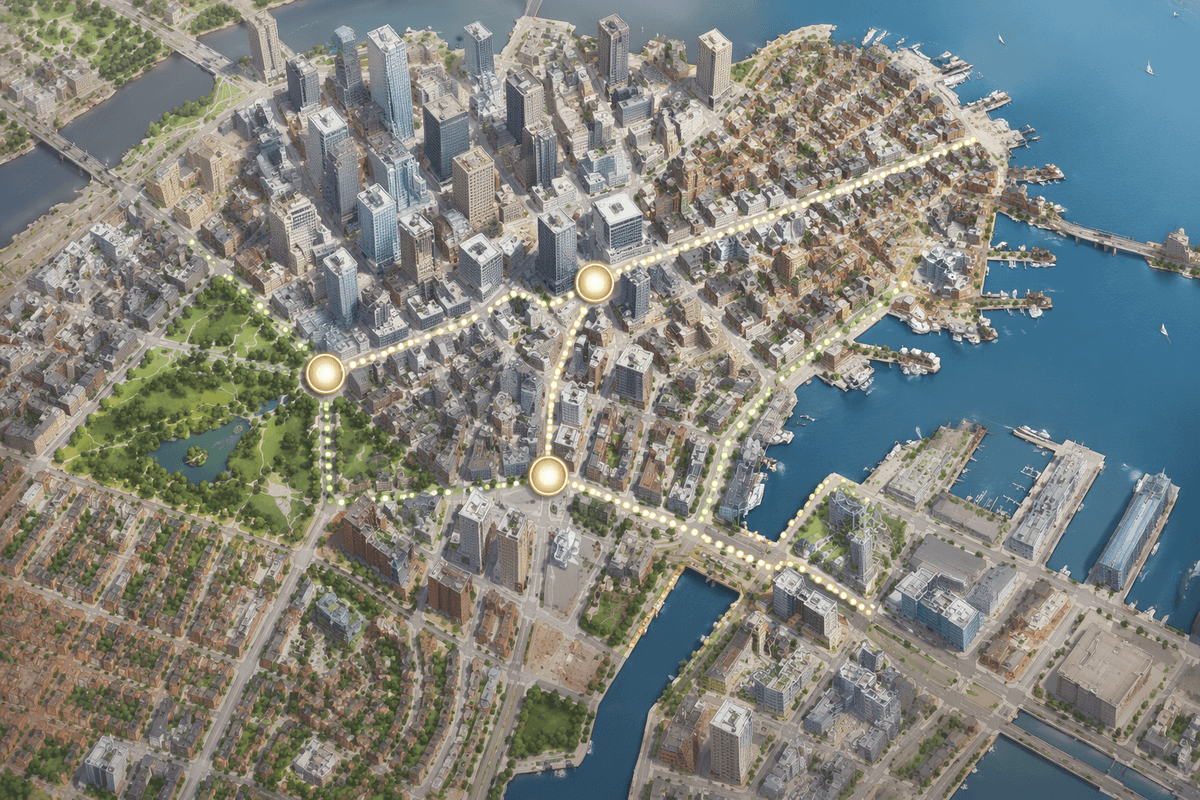
I hesitated over one very Boston decision: pay more to stay “right there” downtown, or save money and accept that every plan begins and ends with the T. For a 2–3 day first trip without a car, the math usually favors being close to Downtown Crossing, the Common/Park Street, or Back Bay—because you’ll actually use the extra hour you save (early Freedom Trail start, reservation dinner, or ducking inside when the wind turns). The catch is noise and smaller rooms; if you’re a light sleeper, a “great deal” near a late-night bar can quietly tax your whole weekend.
If you want the most efficient history-and-food loop, aim for the edge of Downtown/Waterfront so you can walk to the Common one direction and the North End the other—then retreat without a full transit reset. Back Bay feels calmer and more polished, but you’ll do a bit more walking to the oldest sights. Seaport looks sleek and is easy for harbor views, yet it can feel detached from the classic Boston you came for, and surgey hotel pricing is common on summer weekends.
One small planning guardrail: choose a place within a short walk of a major hub station (Park Street, Government Center, or State). Boston’s lines don’t always behave like a neat grid, and a “just one stop” trip can become a slow transfer if service is off.
Must-see Boston: history, waterfront, and views
The moment I stopped trying to “do the whole Freedom Trail” was the moment Boston got easier. If you start at Boston Common right around breakfast time, the early stretch (Common → Granary Burying Ground → King’s Chapel → Old State House) feels legible and calm; start after 10 and you’ll spend more energy passing tour groups than actually reading plaques. The limitation is stamina: it’s not hard, but it’s deceptively long on uneven sidewalks, so I like treating the Trail as a spine, not a scavenger hunt—pick the sites you care about and let the rest be walk-by context.
From there, I’d choose one “waterfront hour” based on weather: on a clear day, cut over to the Harborwalk around Long Wharf for breeze-and-views; on a gray, windy one, the same stretch can feel exposed and slow. Faneuil Hall/Quincy Market is useful as a reset (bathrooms, quick bites), but it’s also where the weekend crowd density spikes, so it works better as a pass-through than a meal plan.
For a clean skyline payoff without a lot of transit friction, the view from the Prudential/Back Bay area lands well—especially late afternoon—but it costs money and visibility can be a gamble in fog, so don’t schedule it as your only “big moment.”
Food and drink: what to try first
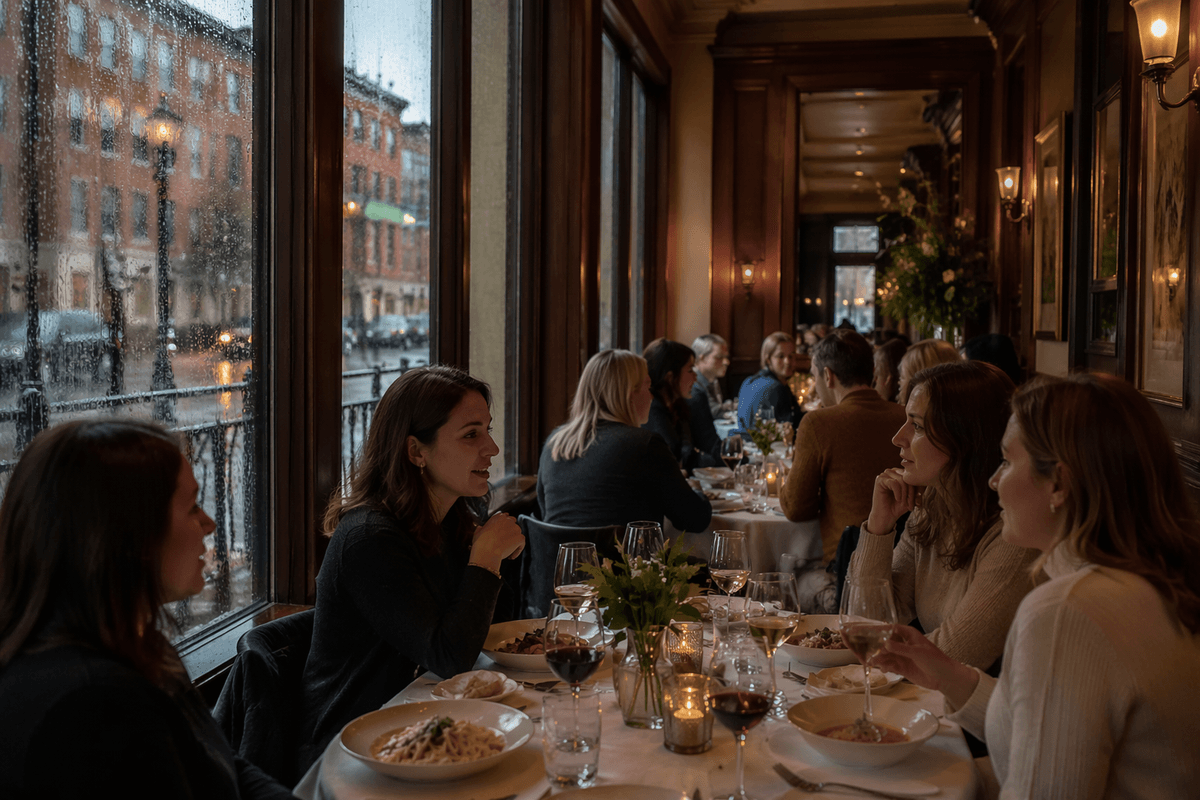
I almost made the classic first-timer mistake: “We’ll just grab dinner in the North End whenever we’re hungry.” On a weekend, that’s a good way to burn 60–90 minutes standing on a sidewalk while your feet decide they’re done. If you want one North End meal, treat it like an anchor—go early (or make a reservation) and accept that the best-known rooms cost more than you’ll expect for the portion size.
For a first pass at Boston flavors without the wait-game, I’d prioritize one seafood moment (a simple lobster roll or fried clams) earlier in the day when lines move faster, then save your sit-down “nice” meal for Italian later. Quincy Market is handy when timing falls apart, but it’s more about speed and convenience than a memorable plate—good for a reset, not a destination.
If weather turns, this is where Boston gets forgiving: a long lunch in Back Bay feels calmer than the waterfront crush, and you’ll spend less effort navigating crowds when you’d rather be warming up and planning the next stop.
Getting around: walking, T, ferries, day trips
I felt it the first time my “quick” walk turned into a 40-minute loop around a closed-off intersection: Boston is walkable, but it’s not always walk-efficient. Use walking for clusters—Common to Downtown sights to the North End—then switch to the T when you’re crossing the city (Back Bay to Cambridge, or Seaport back toward downtown). The friction is that stations can be close on a map but awkward in practice, and a slow escalator line at rush hour can erase the time you thought you saved.
The T works best when you plan around hubs (Park Street, Government Center, State) rather than perfect point-to-point routes; transfers are where weekends can get messy if there’s service work. If you’re debating a harbor ferry, treat it as a weather-dependent experience, not mandatory transit—on a clear day it’s a clean way to “see Boston,” but wind and schedule gaps can make it feel like you’re waiting more than moving.
For day trips without a car, I’d only commit to one: Cambridge/Harvard is the easiest add-on because it’s a direct, low-stress ride; anything farther (Salem, beaches) starts competing with your limited meal and museum time, especially if weather turns and trains run less frequently.
Pull it together: a simple first-time gameplan
On a 2-day weekend, I’d make Day 1 your walk-heavy core: start early at the Common, ride the Freedom Trail “spine” through the downtown sites, then treat the North End as an early dinner anchor (reservation if you can) before your legs revolt. If crowds swell or the wind turns sharp, duck into a long lunch or an indoor stop rather than forcing the waterfront just because it’s nearby.
Day 2 is your reset-and-range day: pick one neighborhood shift (Back Bay for an easier pace or Cambridge for a clean T ride), then add a harbor/ferry hour only if visibility looks decent—fog can flatten the payoff fast. If you have a third day, use it to redo what felt rushed, not to add distance; Boston rewards tightening the loop more than stretching it.